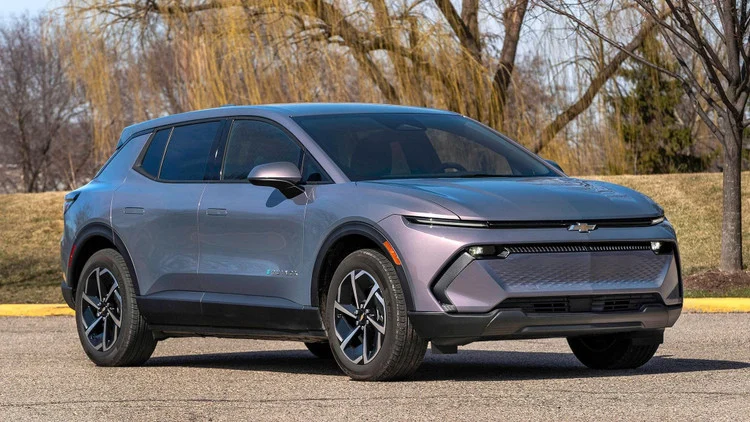
How Long to Chevy Equinox Last: Expert Insights
How Long Does a Chevy Equinox Last?
When considering the purchase of a vehicle, one of the most important questions that potential buyers often ask is, “How long does a Chevy Equinox last?” This question is crucial for car buyers and owners alike, as it directly impacts the vehicle’s overall value, reliability, and long-term ownership experience. Understanding the longevity of the Chevy Equinox can help buyers make informed decisions, whether they are looking for a new or used model.
Factors Influencing Longevity
The lifespan of a Chevy Equinox can vary significantly based on several factors. Here are some key elements that influence how long this vehicle can last:
- Maintenance: Regular maintenance is vital for any vehicle’s longevity. Following the manufacturer’s recommended service schedule can help prevent major issues down the line.
- Driving Habits: How a driver operates the vehicle can affect its lifespan. Aggressive driving, frequent short trips, and heavy loads can all contribute to wear and tear.
- Environmental Conditions: The climate and terrain where the vehicle is driven can impact its longevity. For instance, harsh winters or hot summers can affect engine performance and overall wear.
- Model Year and Trim: Different model years and trims may have varying reliability ratings. Newer models often come with improved technology and engineering, which can enhance durability.
Average Lifespan of a Chevy Equinox
On average, a Chevy Equinox can last between 150,000 to 200,000 miles with proper care. This translates to approximately 10 to 15 years of service, depending on driving conditions and maintenance practices. Here’s a breakdown of what you can expect:
150,000 to 200,000 Miles
Many owners report that their Chevy Equinox remains reliable and functional within this mileage range. Factors contributing to reaching this milestone include:
- Consistent oil changes and fluid checks
- Timely replacement of worn-out parts, such as brakes and tires
- Regular inspections to catch potential issues early
Beyond 200,000 Miles
While 200,000 miles is a common benchmark, some drivers have successfully pushed their Equinox beyond this limit. Achieving this requires:
- Exceptional maintenance practices
- Addressing minor issues before they escalate
- Using high-quality replacement parts and fluids
Real-World Experiences
Owner testimonials can provide valuable insights into the longevity of the Chevy Equinox. Many owners share their experiences on forums and review sites, highlighting both positive and negative aspects of their vehicles. Here are some common themes:
- Positive Experiences: Numerous owners report their Equinox lasting well over 200,000 miles with minimal issues, often praising its comfort and fuel efficiency.
- Negative Experiences: Some owners have encountered significant problems, particularly with older models. Issues such as transmission problems and electrical failures have been noted, which can shorten the vehicle’s lifespan.
Cost of Ownership
Understanding the cost of ownership is essential when evaluating how long a Chevy Equinox can last. The following factors contribute to the overall financial commitment:
- Maintenance Costs: Regular maintenance can range from $500 to $1,000 annually, depending on the services required.
- Repairs: As the vehicle ages, repair costs may increase, especially if major components need replacement.
- Fuel Efficiency: The Chevy Equinox typically offers competitive fuel efficiency, averaging around 25-30 miles per gallon, which can help reduce overall ownership costs.
Conclusion
While this section does not include a conclusion, it is important to note that understanding how long a Chevy Equinox can last is a multifaceted topic that involves various factors, including maintenance, driving habits, and real-world experiences. By considering these elements, potential buyers can make more informed decisions about their vehicle purchase.
Main Components Affecting the Longevity of a Chevy Equinox
When assessing how long a Chevy Equinox can last, several key components and factors come into play. Understanding these elements can help owners and potential buyers gauge the vehicle’s durability and reliability over time. Below are the main components and factors that influence the longevity of the Chevy Equinox.
1. Engine Performance
The engine is the heart of any vehicle, and its performance significantly affects longevity. Here are some aspects to consider:
- Engine Type: The Chevy Equinox typically comes with a choice of engines, including four-cylinder and V6 options. The four-cylinder engines are generally more fuel-efficient, while the V6 engines offer more power but may require more maintenance.
- Oil Changes: Regular oil changes are crucial for engine health. Neglecting this can lead to engine wear and eventual failure.
- Cooling System: A well-functioning cooling system prevents overheating, which can cause severe engine damage.
2. Transmission Quality
The transmission plays a vital role in the vehicle’s overall performance and longevity. Factors to consider include:
- Type of Transmission: The Chevy Equinox typically features either a six-speed automatic or a continuously variable transmission (CVT). Each has its own maintenance needs and potential issues.
- Fluid Maintenance: Regularly checking and replacing transmission fluid can prevent costly repairs and extend the life of the transmission.
- Driving Conditions: Frequent stop-and-go driving or towing can put additional strain on the transmission, potentially shortening its lifespan.
3. Suspension and Steering System
The suspension and steering systems are critical for ride comfort and handling. Here are key points to consider:
- Suspension Components: Parts like shocks, struts, and springs wear out over time. Regular inspections can help identify issues before they lead to more significant problems.
- Alignment: Proper wheel alignment ensures even tire wear and optimal handling. Misalignment can lead to premature wear on suspension components.
- Steering Fluid: Maintaining the correct level and quality of steering fluid is essential for smooth steering and longevity.
4. Electrical System
The electrical system controls many functions in modern vehicles, and its reliability is crucial for longevity. Important aspects include:
- Batteries: A well-maintained battery can last anywhere from three to five years. Regular checks can prevent unexpected failures.
- Wiring and Connectors: Corroded or damaged wiring can lead to electrical failures, impacting various systems in the vehicle.
- Fuses and Relays: Regularly checking and replacing blown fuses can help maintain the electrical system’s integrity.
5. Body and Frame Integrity
The body and frame of the Chevy Equinox are essential for overall durability. Consider the following:
- Rust Protection: Regular washing and waxing can help protect against rust, especially in areas with harsh winters and road salt.
- Accident History: A vehicle that has been in an accident may have structural issues that affect its longevity. Always check the vehicle history report.
- Paint and Finish: Maintaining the paint and finish can prevent corrosion and keep the vehicle looking good for years.
6. Maintenance Practices
Good maintenance practices are perhaps the most critical factor in determining how long a Chevy Equinox will last. Here are some best practices:
- Regular Inspections: Routine inspections can catch potential issues early, preventing costly repairs later.
- Scheduled Maintenance: Following the manufacturer’s recommended maintenance schedule helps ensure that all components are serviced appropriately.
- Quality Parts: Using high-quality replacement parts can enhance the vehicle’s longevity and performance.
7. Driving Conditions
The environment in which the vehicle is driven can significantly impact its lifespan. Consider the following:
- Urban vs. Rural Driving: Urban driving often involves more stop-and-go traffic, which can lead to increased wear on the engine and brakes.
- Weather Conditions: Extreme temperatures can affect engine performance and battery life. Cold weather can be particularly harsh on vehicles.
- Road Quality: Driving on poorly maintained roads can lead to increased wear on suspension and tires.
| Component/Factor | Impact on Longevity |
|---|---|
| Engine Performance | Critical for overall vehicle health; regular maintenance is essential. |
| Transmission Quality | Directly affects driving experience; requires regular fluid maintenance. |
| Suspension and Steering | Ensures ride comfort; wear can lead to handling issues. |
| Electrical System | Controls many vehicle functions; reliability is crucial for longevity. |
| Body and Frame Integrity | Protects against rust and structural issues; maintenance is key. |
| Maintenance Practices | Good practices can significantly extend vehicle lifespan. |
| Driving Conditions | Harsh conditions can accelerate wear and tear. |
Common Problems, Risks, and Misconceptions About the Longevity of a Chevy Equinox
While the Chevy Equinox is generally regarded as a reliable vehicle, there are several common problems, risks, and misconceptions that can affect its longevity. Understanding these issues can help owners and potential buyers make informed decisions about maintenance and care. Below, we explore some of the prevalent concerns regarding the lifespan of the Chevy Equinox.
1. Misconception: All Chevy Equinox Models Are Equally Reliable
One common misconception is that all Chevy Equinox models have the same reliability. In reality, reliability can vary significantly between different model years and trims. Here are some key points:
- Model Year Variability: According to Consumer Reports, certain model years, particularly the 2010 and 2011 versions, have received lower reliability ratings due to engine and transmission issues.
- Trim Levels: Higher trims often come with additional features that may introduce complexity, potentially leading to more maintenance needs.
- Recalls: Some models have had recalls for specific issues, which can affect their reliability. Always check for recalls on used vehicles.
2. Common Problems
Several issues have been reported by Chevy Equinox owners that can impact the vehicle’s longevity. Here are some of the most common problems:
- Engine Problems: Some owners have reported issues with excessive oil consumption, particularly in 2010-2012 models. This can lead to engine wear and potential failure.
- Transmission Issues: Problems with the transmission, including rough shifting and failure to engage, have been reported, especially in earlier models.
- Electrical Failures: Electrical system issues, such as malfunctioning sensors and battery problems, can lead to unexpected breakdowns.
3. Risks of Neglecting Maintenance
Neglecting regular maintenance can significantly shorten the lifespan of a Chevy Equinox. Here are some risks associated with poor maintenance:
- Increased Repair Costs: Ignoring minor issues can lead to more significant problems that require costly repairs. For example, failing to change the oil can result in engine damage, which can cost thousands to repair.
- Decreased Resale Value: A poorly maintained vehicle will have a lower resale value. According to Kelley Blue Book, a well-maintained Equinox can retain up to 50% of its value after five years, while a neglected one may drop to 30%.
- Safety Risks: Neglecting maintenance can lead to safety issues, such as brake failure or tire blowouts, putting the driver and passengers at risk.
4. Expert Opinions
Experts in automotive maintenance and repair often emphasize the importance of regular upkeep for extending the life of any vehicle, including the Chevy Equinox. Here are some insights:
- Mechanic Recommendations: Many mechanics recommend following the manufacturer’s maintenance schedule strictly. This includes regular oil changes, brake inspections, and fluid checks.
- Consumer Reports: According to Consumer Reports, vehicles that receive consistent maintenance can last significantly longer than those that do not. They suggest that a well-maintained Chevy Equinox can easily surpass 200,000 miles.
- Owner Testimonials: Many long-term owners report that their Equinoxes have lasted well beyond 150,000 miles with proper care, reinforcing the importance of maintenance.
5. Statistics on Longevity and Reliability
Statistics can provide valuable insights into the longevity and reliability of the Chevy Equinox. Here are some relevant figures:
| Statistic | Value |
|---|---|
| Average Lifespan (miles) | 150,000 – 200,000 |
| Percentage of Owners Reporting Issues (2010-2012 Models) | 30% – 40% |
| Resale Value After 5 Years (Well-Maintained) | 50% |
| Resale Value After 5 Years (Poorly Maintained) | 30% |
| Average Repair Cost for Major Issues | $1,500 – $3,000 |
6. Risks of Buying a Used Chevy Equinox
When considering a used Chevy Equinox, there are specific risks that potential buyers should be aware of:
- Hidden Problems: Used vehicles may have hidden issues that are not immediately apparent. A thorough inspection by a qualified mechanic is essential.
- Maintenance History: Lack of maintenance records can indicate neglect, which may lead to future problems. Always ask for service history before purchasing.
- Warranty Status: Many used Equinoxes may be out of warranty, meaning that any repairs will be the owner’s responsibility. Consider purchasing an extended warranty for added peace of mind.
7. Conclusion
While this section does not include a conclusion, it is essential to understand the common problems, risks, and misconceptions surrounding the longevity of the Chevy Equinox. By being informed about these issues, owners and potential buyers can take proactive steps to ensure their vehicles remain reliable and last as long as possible.
Expert Opinion on the Longevity of the Chevy Equinox
When it comes to the longevity of the Chevy Equinox, expert opinions generally emphasize the importance of maintenance, driving habits, and model selection. Here are some clear recommendations based on industry insights:
1. Prioritize Regular Maintenance
Experts agree that adhering to a strict maintenance schedule is crucial for maximizing the lifespan of your Chevy Equinox. Regular oil changes, fluid checks, and inspections can prevent minor issues from escalating into major problems.
- Follow the manufacturer’s maintenance schedule.
- Keep records of all maintenance performed.
- Address any warning lights or unusual sounds immediately.
2. Choose the Right Model Year
Not all Chevy Equinox models are created equal. Some years have reported more reliability issues than others. Researching model year reviews and reliability ratings can help you make a more informed purchase.
- Avoid models with known issues, particularly the 2010 and 2011 versions.
- Look for newer models that have received positive reviews for reliability.
3. Be Mindful of Driving Habits
Your driving habits can significantly impact the longevity of your vehicle. Gentle driving can reduce wear and tear, while aggressive driving can lead to premature failure.
- Avoid rapid acceleration and hard braking.
- Limit short trips, as they can prevent the engine from reaching optimal operating temperature.
- Be cautious when towing or carrying heavy loads.
4. Invest in Quality Parts
When it comes time to replace parts, opting for high-quality or OEM (Original Equipment Manufacturer) parts can enhance the vehicle’s longevity. Cheaper alternatives may save money upfront but can lead to more significant issues down the line.
- Consult with a trusted mechanic for recommendations on parts.
- Consider warranties on replacement parts for added security.
5. Monitor Environmental Factors
Environmental conditions can also affect the longevity of your Chevy Equinox. Factors such as climate, road quality, and driving conditions should be taken into account.
- In harsh climates, consider additional protective measures, such as rust-proofing.
- Be mindful of driving on poorly maintained roads, which can increase wear on suspension components.
Frequently Asked Questions (FAQ) About the Longevity of the Chevy Equinox
1. How many miles can a Chevy Equinox typically last?
On average, a Chevy Equinox can last between 150,000 to 200,000 miles with proper maintenance and care.
2. What are the most common issues that affect the lifespan of a Chevy Equinox?
Common issues include engine oil consumption, transmission problems, and electrical system failures, particularly in older models.
3. How often should I perform maintenance on my Chevy Equinox?
It is recommended to follow the manufacturer’s maintenance schedule, which typically suggests oil changes every 5,000 to 7,500 miles and regular inspections every 30,000 miles.
4. Does driving style impact how long my Chevy Equinox will last?
Yes, driving habits can significantly affect longevity. Gentle driving can reduce wear and tear, while aggressive driving can lead to premature failure.
5. Are newer models of the Chevy Equinox more reliable than older ones?
Generally, newer models tend to have improved technology and engineering, leading to better reliability compared to older models that may have known issues.
6. Should I buy a used Chevy Equinox?
Buying a used Chevy Equinox can be a good option, but it is essential to research the specific model year and check the vehicle’s maintenance history for any red flags.
7. What can I do to extend the life of my Chevy Equinox?
Regular maintenance, mindful driving habits, and addressing issues promptly can significantly extend the life of your Chevy Equinox. Investing in quality parts and being aware of environmental factors also helps.