How Many Miles Does a Chevy Bolt Last? Insights & FAQs
How Many Miles Does a Chevy Bolt Last?
The Chevrolet Bolt EV has garnered significant attention in the electric vehicle (EV) market since its introduction. As more consumers consider transitioning from traditional gasoline vehicles to electric options, one of the most pressing questions arises: how many miles does a Chevy Bolt last? This question is crucial for potential buyers and current owners alike, as it directly impacts their driving experience, range anxiety, and overall satisfaction with the vehicle.
Understanding the Chevy Bolt’s Range
The Chevy Bolt is equipped with a 66 kWh lithium-ion battery, which plays a vital role in determining its range. The official EPA (Environmental Protection Agency) rating for the 2022 Chevy Bolt EV is approximately 259 miles on a full charge. This figure represents a significant advantage for those considering an electric vehicle, especially when compared to many other models in the same price range.
Factors Influencing Range
While the EPA rating provides a solid benchmark, several factors can influence the actual mileage a Chevy Bolt can achieve:
- Driving Conditions: Urban driving with frequent stops can reduce range compared to highway driving, where the vehicle can maintain a consistent speed.
- Driving Style: Aggressive acceleration and high speeds can lead to decreased efficiency, while smooth, gradual acceleration can help maximize range.
- Weather Conditions: Extreme temperatures, both hot and cold, can affect battery performance. Cold weather can reduce range by as much as 20% due to increased energy consumption for heating.
- Payload and Towing: Carrying heavy loads or towing can significantly decrease the Bolt’s range, as more energy is required to move the additional weight.
Real-World Experiences
Many Chevy Bolt owners report varying experiences regarding the vehicle’s range. While the EPA rating serves as a guideline, real-world conditions often lead to different outcomes. Here are some insights from actual users:
- City Driving: Owners who primarily drive in urban settings often report achieving around 200-230 miles per charge, depending on traffic and driving habits.
- Highway Driving: On long highway trips, drivers may see their range drop closer to 220 miles, particularly if they are driving at higher speeds.
- Cold Weather Performance: In colder climates, some users have noted a drop in range to as low as 180 miles, especially during winter months when heating is necessary.
Charging Infrastructure and Its Impact
The availability of charging stations also plays a crucial role in how far a Chevy Bolt can effectively travel. With the increasing number of charging stations across the U.S., long-distance travel has become more feasible for EV owners. However, the type of charging station used can significantly impact the time it takes to recharge and the overall driving experience:
- Level 1 Charging: This is the slowest method, using a standard 120-volt outlet. It can take over 24 hours to fully charge the Bolt, making it impractical for long trips.
- Level 2 Charging: Using a 240-volt outlet, this method can fully charge the Bolt in about 9.5 hours, making it suitable for overnight charging.
- DC Fast Charging: This is the quickest option, allowing drivers to charge up to 100 miles of range in about 30 minutes. This is particularly beneficial for long-distance travel.
Comparative Analysis with Other Electric Vehicles
When evaluating the Chevy Bolt’s range, it’s essential to compare it with other electric vehicles in the market. Here’s how it stacks up against some popular alternatives:
| Vehicle Model | EPA Range (Miles) | Price (USD) |
|---|---|---|
| Chevy Bolt EV | 259 | $31,000 |
| Tesla Model 3 | 263 | $39,990 |
| Nissan Leaf | 226 | $27,400 |
| Ford Mustang Mach-E | 300 | $43,895 |
As seen in the table, the Chevy Bolt offers competitive range at a lower price point compared to many of its rivals, making it an attractive option for budget-conscious consumers.
Conclusion
Understanding how many miles a Chevy Bolt lasts is essential for potential buyers and current owners. With an EPA-rated range of 259 miles, various factors can influence actual mileage, including driving conditions, style, and weather. Real-world experiences from owners highlight the importance of considering these factors when evaluating the Bolt’s suitability for individual needs. As the EV market continues to evolve, the Chevy Bolt remains a strong contender for those seeking an affordable and reliable electric vehicle.
Main Components and Factors Affecting the Chevy Bolt’s Range
When considering how many miles a Chevy Bolt can last on a single charge, it’s essential to understand the various components and factors that play a significant role in determining its overall range. This section will delve into these elements, providing a comprehensive overview for potential buyers and current owners.
1. Battery Capacity
The battery is the heart of any electric vehicle, and the Chevy Bolt is no exception. The Bolt features a 66 kWh lithium-ion battery, which is designed to provide a balance between range and performance.
Battery Specifications
| Specification | Details |
|---|---|
| Type | Lithium-ion |
| Capacity | 66 kWh |
| Voltage | 350V |
A higher capacity battery generally allows for a longer range, but it also adds weight to the vehicle, which can impact efficiency. The Bolt’s battery is optimized to provide a good balance of both range and weight.
2. Electric Motor Efficiency
The efficiency of the electric motor also plays a crucial role in determining how far the Chevy Bolt can travel on a single charge. The Bolt is equipped with a permanent magnet AC motor that delivers a smooth and responsive driving experience.
Motor Specifications
| Specification | Details |
|---|---|
| Power Output | 200 hp |
| Torque | 266 lb-ft |
The motor’s efficiency is measured in miles per kilowatt-hour (miles/kWh). The Chevy Bolt achieves approximately 4.0 miles/kWh, which is competitive within its class. This efficiency means that the vehicle can travel further on less energy, contributing positively to its overall range.
3. Aerodynamics and Design
The design and aerodynamics of the Chevy Bolt also significantly impact its range. A vehicle that is more aerodynamic will experience less drag, allowing it to maintain speed with less energy consumption.
Design Features
- Shape: The Bolt’s hatchback design minimizes air resistance, which is crucial for maximizing range.
- Weight Distribution: The placement of the battery pack lowers the center of gravity, improving stability and handling.
- Rolling Resistance: The tires are designed to reduce rolling resistance, further enhancing efficiency.
4. Driving Conditions
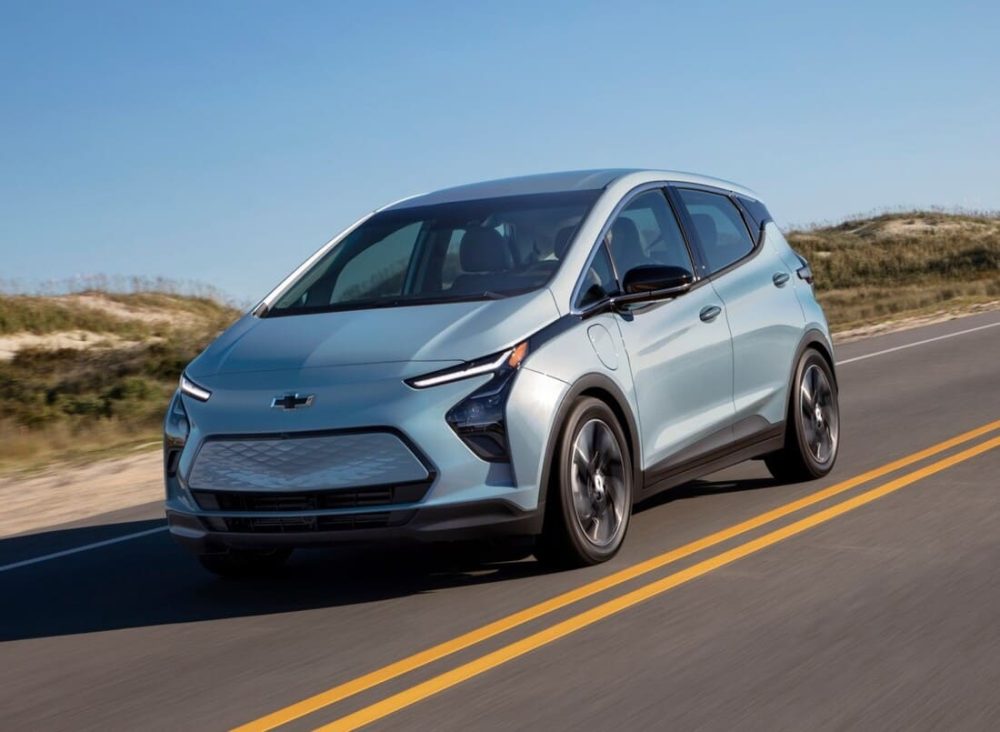
Real-world driving conditions can have a substantial impact on the Chevy Bolt’s range. Factors such as terrain, traffic, and driving habits can all contribute to variations in mileage.
Driving Conditions Impact
- Urban vs. Highway: City driving often leads to more frequent stops and starts, which can reduce overall range. In contrast, highway driving allows for more consistent speeds, generally improving range.
- Elevation Changes: Driving in hilly or mountainous areas can also affect range, as climbing requires more energy compared to flat terrain.
- Traffic Conditions: Stop-and-go traffic can lead to increased energy consumption, reducing the effective range of the vehicle.
5. Weather Conditions
Weather plays a significant role in the performance of electric vehicles, including the Chevy Bolt. Extreme temperatures can affect battery efficiency and overall range.
Weather Impact
- Cold Weather: In colder temperatures, the battery may not perform as efficiently, leading to a reduction in range. Additionally, energy is used for heating the cabin, further impacting mileage.
- Hot Weather: High temperatures can also affect battery performance, although the impact is generally less severe than in cold conditions. However, using air conditioning can draw additional power from the battery.
6. Charging Infrastructure
The availability and type of charging infrastructure can also influence how far a Chevy Bolt can effectively travel. Access to fast charging stations can alleviate range anxiety and make long-distance travel more feasible.
Charging Options
| Charging Type | Charging Time |
|---|---|
| Level 1 (120V) | 24+ hours |
| Level 2 (240V) | 9.5 hours |
| DC Fast Charging | 100 miles in about 30 minutes |
Having access to a variety of charging options can help drivers manage their range more effectively, particularly on longer trips.
7. Maintenance and Battery Health
Finally, the overall maintenance of the vehicle and the health of the battery can significantly affect how many miles a Chevy Bolt can last. Regular maintenance checks can ensure that the vehicle operates at peak efficiency.
Battery Health Factors
- Charging Habits: Frequent use of fast charging can lead to faster battery degradation over time.
- Temperature Management: Keeping the battery within optimal temperature ranges can help extend its lifespan.
- Software Updates: Regular software updates can improve battery management systems, enhancing efficiency and range.
Understanding these components and factors can help Chevy Bolt owners and potential buyers make informed decisions about their vehicle’s range and performance. By considering these elements, drivers can optimize their experience and maximize the mileage they achieve from their Chevy Bolt.
Common Problems, Risks, and Misconceptions About the Chevy Bolt’s Range
While the Chevy Bolt is celebrated for its impressive range and affordability, several common problems, risks, and misconceptions can cloud the understanding of how many miles it can last on a single charge. Addressing these issues is essential for potential buyers and current owners to make informed decisions regarding their electric vehicle experience.
1. Misconception: The EPA Range is Always Achievable
One of the most prevalent misconceptions is that the EPA-rated range of 259 miles can be consistently achieved under all driving conditions. While this figure serves as a benchmark, real-world factors can lead to significant variations in mileage.
Factors Affecting Real-World Range
| Factor | Impact on Range |
|---|---|
| Driving Style | Aggressive acceleration can reduce range by up to 15%. |
| Terrain | Driving uphill can consume 20-30% more energy. |
| Weather | Cold temperatures can reduce range by 20% or more. |
Understanding that the EPA range is an ideal scenario helps set realistic expectations for drivers.
2. Problem: Battery Degradation Over Time
Like all electric vehicles, the Chevy Bolt’s battery will experience degradation over time, which can impact its range. This is a natural process that occurs with lithium-ion batteries, but the rate of degradation can vary based on several factors.
Battery Degradation Statistics
- Typical Degradation: Studies suggest that electric vehicle batteries can lose about 2-3% of their capacity per year under normal use.
- Extreme Conditions: Frequent fast charging and exposure to extreme temperatures can accelerate degradation, leading to a potential loss of up to 10% in the first few years.
- Warranty Coverage: The Chevy Bolt’s battery is covered by an 8-year/100,000-mile warranty, providing some peace of mind for owners.
3. Risk: Range Anxiety
Range anxiety is a common concern among electric vehicle owners, including Chevy Bolt drivers. This fear of running out of battery power before reaching a charging station can lead to stress and affect driving behavior.
Addressing Range Anxiety
- Planning Trips: Utilizing apps and tools that map out charging stations can help alleviate concerns about running out of power.
- Understanding Charging Options: Familiarizing oneself with different charging options, including Level 2 and DC fast charging, can provide more flexibility during trips.
- Real-World Experiences: Many Bolt owners report that with proper planning, they rarely experience range anxiety, as the vehicle’s range is often sufficient for daily needs.
4. Misconception: Electric Vehicles Are Not Suitable for Long Trips
Another common misconception is that electric vehicles, including the Chevy Bolt, are not suitable for long-distance travel. While early electric vehicles had limited ranges, advancements in battery technology have made long trips more feasible.
Long-Distance Travel Statistics
| Travel Scenario | Typical Range Achieved |
|---|---|
| Urban Commuting | 200-230 miles |
| Highway Driving | 220 miles |
| Long-Distance Trip with Charging | 300+ miles with planned stops |
With the growing network of charging stations and the ability to plan charging stops, many Chevy Bolt owners successfully undertake long-distance journeys.
5. Problem: Charging Infrastructure Limitations

The availability of charging stations can significantly affect how far a Chevy Bolt can travel. While the charging infrastructure in the U.S. has improved, there are still areas where charging options are limited.
Charging Infrastructure Statistics
- Public Charging Stations: As of 2023, there are over 100,000 public charging stations in the U.S., but distribution can be uneven, particularly in rural areas.
- Fast Charging Availability: Only about 20% of public charging stations offer DC fast charging, which is essential for long-distance travel.
- Home Charging: Approximately 80% of EV owners charge at home, making it crucial to have a reliable home charging setup.
6. Risk: Overestimating Range in Ideal Conditions
Some drivers may overestimate the range of their Chevy Bolt based on ideal conditions, leading to potential issues during real-world driving. This overestimation can result in running low on battery unexpectedly.
Practical Situations
- Ignoring Weather Effects: A driver may assume they can achieve the full 259 miles in winter without considering the impact of cold temperatures.
- Underestimating Driving Style Impact: An aggressive driver may find their range significantly reduced, leading to unexpected charging needs.
- Long Trips Without Planning: A driver embarking on a long trip without planning charging stops may find themselves stranded or needing to backtrack to a charging station.
By understanding these common problems, risks, and misconceptions, Chevy Bolt owners and potential buyers can make more informed decisions regarding their vehicle’s range and performance. Awareness of these factors can lead to a more satisfying and efficient electric vehicle experience.
Expert Opinion and Recommendations on the Chevy Bolt’s Range
The Chevy Bolt has established itself as a reliable and efficient electric vehicle, particularly for urban commuters and those seeking an affordable entry into the EV market. However, understanding its range and how to maximize it is crucial for potential buyers and current owners. Here are some expert recommendations to enhance your experience with the Chevy Bolt:
1. Understand Your Driving Needs
Before purchasing a Chevy Bolt, assess your daily driving habits. If you primarily drive short distances for commuting or errands, the Bolt’s range should be more than sufficient. However, for those who frequently embark on long trips, consider planning charging stops along your route to avoid range anxiety.
2. Optimize Charging Habits
To maintain battery health and maximize range, develop a consistent charging routine. If possible, charge your vehicle overnight at home using a Level 2 charger. This practice ensures that you start each day with a full battery, reducing the likelihood of running low on charge during the day.
3. Monitor Driving Style
Your driving style can significantly impact the Bolt’s range. Adopting a smoother, more gradual acceleration and deceleration can help extend the distance you can travel on a single charge. Avoiding aggressive driving can lead to better energy efficiency and overall performance.
4. Stay Informed About Weather Conditions
Weather can affect battery performance and range. In colder temperatures, consider using seat heaters instead of cabin heating to conserve battery power. Additionally, keep an eye on weather forecasts to plan your trips accordingly, especially during extreme conditions.
5. Utilize Technology
Take advantage of the Chevy Bolt’s technology features, such as range estimation tools and navigation systems that can help locate nearby charging stations. Many apps are available that can assist in planning routes with charging stops, making long-distance travel more manageable.
Frequently Asked Questions (FAQ) About the Chevy Bolt’s Range
1. What is the official range of the Chevy Bolt?
The official EPA-rated range for the Chevy Bolt is approximately 259 miles on a full charge, depending on driving conditions and habits.
2. How does driving style affect the range of the Chevy Bolt?
Aggressive driving, including rapid acceleration and high speeds, can reduce the Bolt’s range by up to 15%. A smoother driving style can help maximize efficiency.
3. Can I expect to achieve the full range in cold weather?
In cold weather, the range can decrease by 20% or more due to the increased energy required for heating and reduced battery efficiency.
4. How can I extend the range of my Chevy Bolt?
To extend the range, maintain a consistent charging routine, monitor driving habits, and be mindful of weather conditions. Utilizing regenerative braking can also help recover energy while driving.
5. Is the Chevy Bolt suitable for long-distance travel?
Yes, the Chevy Bolt can be suitable for long-distance travel, especially with proper planning. Using charging apps to locate stations along your route can help alleviate range anxiety.
6. What should I do if I run out of battery while driving?
If you run out of battery, you can call for roadside assistance or use a mobile app to locate the nearest charging station. It’s essential to plan charging stops during long trips to avoid this situation.
7. How does battery maintenance affect the range of the Chevy Bolt?
Regular battery maintenance, including avoiding frequent fast charging and keeping the battery within optimal temperature ranges, can help prolong battery life and maintain range over time.