
What Year Did Chevy Traverse Change Body Style?
What Year Did Chevy Traverse Change Body Style?
The Chevrolet Traverse has been a popular choice among families and individuals seeking a spacious and reliable midsize SUV. Understanding the changes in body style over the years is crucial for potential buyers and current owners who want to know how these modifications affect performance, aesthetics, and overall value. In this article, we will explore the key years when the Chevy Traverse underwent significant body style changes and why these changes matter to car buyers.
Importance of Body Style Changes
Body style changes in vehicles can significantly impact various factors, including:
- Aesthetics: A new body style often brings a fresh look that can appeal to buyers looking for modern design elements.
- Performance: Changes in body style can affect aerodynamics, weight distribution, and handling, which can enhance driving experience.
- Technology and Features: Newer models typically come equipped with the latest technology and safety features, making them more appealing to buyers.
- Resale Value: Understanding the body style changes can help owners gauge the resale value of their vehicle, as newer models may retain value better than older ones.
Chevy Traverse Body Style Changes Timeline
First Generation: 2009-2017
The Chevy Traverse was first introduced in 2009 as a 2010 model. This initial generation featured a boxy design that was characteristic of many SUVs at the time. Key features included:
- Spacious Interior: The first-generation Traverse was known for its roomy cabin, accommodating up to eight passengers.
- V6 Engine: It came equipped with a 3.6-liter V6 engine, providing a balance of power and fuel efficiency.
- Safety Ratings: The Traverse received commendable safety ratings, making it a family-friendly option.
Throughout this generation, minor updates were made, including design tweaks and technology enhancements, but the overall body style remained consistent until the next generation was introduced in 2018.
Second Generation: 2018-Present
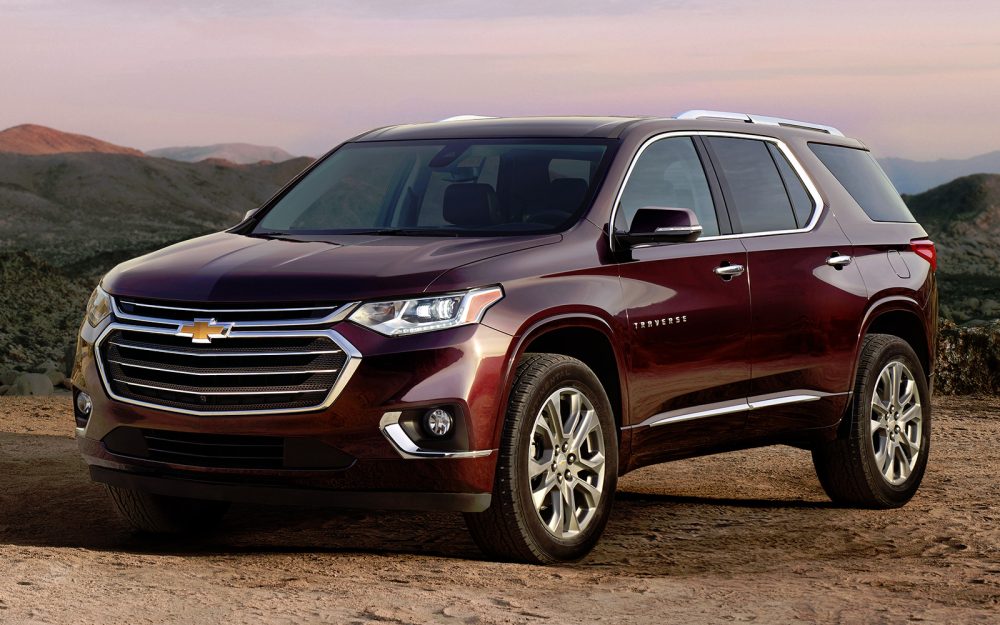
The Chevy Traverse underwent a significant redesign for the 2018 model year, marking the transition to its second generation. This change brought a more modern and streamlined body style, which included:
- Sleeker Design: The new body style featured a more aerodynamic shape with sharper lines and a more aggressive front fascia.
- Improved Interior Quality: The interior was upgraded with higher-quality materials and a more user-friendly infotainment system.
- Enhanced Technology: Newer models included advanced safety features such as forward collision alert, lane keep assist, and a rearview camera as standard.
- Increased Cargo Space: The redesign allowed for more cargo space, making it even more practical for families.
Since its redesign, the Chevy Traverse has continued to receive updates, including new technology and safety features, but the fundamental body style has remained consistent since 2018.
Why Buyers Should Care About Body Style Changes
For car buyers, understanding when the Chevy Traverse changed its body style is essential for several reasons:
- Choosing the Right Model: Buyers may prefer the aesthetics or features of a specific generation, influencing their purchasing decision.
- Evaluating Resale Value: Knowing the year of body style changes can help owners assess the potential resale value of their vehicle.
- Understanding Maintenance and Repair Costs: Newer models may have different components and technology that can affect maintenance costs.
In summary, the Chevy Traverse has undergone significant body style changes over the years, with the first generation running from 2009 to 2017 and the second generation starting in 2018. These changes are crucial for buyers and owners to understand, as they impact aesthetics, performance, technology, and overall value in the competitive midsize SUV market.
Main Components and Factors Related to Chevy Traverse Body Style Changes
Understanding the factors that influence body style changes in the Chevy Traverse can provide valuable insights for potential buyers and current owners. These components not only define the vehicle’s appearance but also affect its performance, safety, and overall market appeal. Below, we will explore the main components and factors related to the body style changes of the Chevy Traverse.
1. Design Philosophy
The design philosophy behind the Chevy Traverse has evolved over the years, reflecting changing consumer preferences and automotive trends. Key aspects include:
- Aerodynamics: Modern designs prioritize aerodynamics to improve fuel efficiency and reduce wind noise.
- Styling Trends: The shift from boxy to more sculpted shapes aligns with contemporary styling trends that favor sleek and aggressive looks.
- Brand Identity: Each redesign aims to reinforce Chevrolet’s brand identity, ensuring the Traverse stands out in the competitive SUV market.
2. Technological Advancements

Technological innovations play a significant role in body style changes. As technology evolves, so do the design and features of vehicles. Important factors include:
- Infotainment Systems: Newer models incorporate advanced infotainment systems that require updated interior layouts.
- Safety Features: The integration of new safety technologies, such as adaptive cruise control and lane departure warning, can necessitate design modifications.
- Lighting Technology: Upgraded lighting systems, including LED headlights and taillights, can influence the overall design aesthetics.
3. Consumer Preferences
Consumer preferences significantly impact the direction of body style changes. Factors include:
- Space and Comfort: Families often prioritize spacious interiors and comfortable seating, leading to design changes that enhance passenger and cargo space.
- Fuel Efficiency: As fuel prices fluctuate, consumers increasingly seek vehicles with better fuel economy, prompting manufacturers to adopt more aerodynamic designs.
- Customization Options: Buyers appreciate personalization options, which can influence design elements such as color choices and trim levels.
4. Market Competition
The competitive landscape of the automotive market also drives body style changes. Key considerations include:
- Rival Models: The Chevy Traverse competes with other midsize SUVs, such as the Ford Explorer and Honda Pilot. Changes in competitor designs can prompt Chevrolet to update the Traverse to maintain market relevance.
- Market Trends: Trends such as the growing popularity of crossovers and SUVs lead manufacturers to adapt their designs accordingly.
- Pricing Strategies: Changes in body style can also be influenced by pricing strategies to attract different segments of buyers.
5. Regulatory Standards
Government regulations regarding safety and emissions can necessitate body style changes. Important factors include:
- Safety Regulations: Compliance with updated safety standards may require design modifications to improve crashworthiness.
- Emissions Standards: Stricter emissions regulations can lead to changes in engine placement and overall vehicle design to accommodate new powertrains.
- Fuel Economy Standards: As fuel economy standards become more stringent, manufacturers may need to redesign vehicles to meet these requirements.
6. Performance Enhancements
Performance is a critical factor in the design of the Chevy Traverse. Changes in body style can directly impact performance metrics, including:
- Weight Distribution: A redesigned body can improve weight distribution, enhancing handling and stability.
- Suspension Systems: Changes in body style may necessitate updates to suspension systems for better ride quality and handling.
- Engine Options: New body styles often coincide with the introduction of new engine options, providing buyers with more choices for performance.
Table: Key Changes in Chevy Traverse Body Style
| Model Year | Body Style Change | Key Features |
|---|---|---|
| 2009-2017 | First Generation | Boxy design, spacious interior, V6 engine |
| 2018-Present | Second Generation | Sleeker design, improved interior quality, advanced technology |
In summary, the Chevy Traverse has undergone significant body style changes influenced by various components and factors. From design philosophy and technological advancements to consumer preferences and regulatory standards, these elements play a crucial role in shaping the Traverse’s evolution in the automotive market.
Common Problems, Risks, and Misconceptions About Chevy Traverse Body Style Changes
While the Chevy Traverse has garnered a reputation for being a reliable midsize SUV, there are common problems, risks, and misconceptions associated with its body style changes over the years. Understanding these issues can help potential buyers and current owners make informed decisions. Below, we will explore these common concerns in detail.
1. Misconception: Newer Models Are Always Better
One common misconception is that newer models of the Chevy Traverse are inherently superior to older ones simply because of their updated body style. However, this is not always the case. Factors to consider include:
- Build Quality: While newer models may feature modern designs, some owners of first-generation models report that the build quality was more robust, particularly in terms of materials used.
- Reliability: Some early models have proven to be more reliable than newer ones, which may have introduced complex technologies that can lead to more frequent repairs.
- Personal Preference: Aesthetic preferences vary; some buyers may prefer the boxy design of the first generation over the sleeker lines of the second generation.
2. Common Problems with Body Style Changes
As the Chevy Traverse has evolved, certain common problems have emerged, particularly during the transition from the first to the second generation. Key issues include:
- Transmission Issues: Some owners of 2018 and newer models have reported transmission problems, particularly with shifting delays and rough transitions.
- Electrical Problems: Newer models often come with advanced technology, which can lead to electrical issues such as malfunctioning infotainment systems and dashboard warning lights.
- Suspension Concerns: Changes in body style can affect suspension systems, leading to complaints about a rough ride or excessive noise from the suspension components.
3. Risks of Buying Older Models
While older models of the Chevy Traverse may be more affordable, there are risks associated with purchasing them, particularly if buyers are unaware of the changes in body style and features. Consider the following:
- Outdated Safety Features: First-generation models lack many of the advanced safety features found in newer models, such as lane departure warning and automatic emergency braking.
- Fuel Efficiency: Older models may not meet current fuel economy standards, leading to higher long-term operating costs.
- Resale Value: As newer models are released, older models may depreciate faster, impacting resale value for owners.
4. Statistics on Reliability and Owner Satisfaction
Statistics can provide valuable insights into the reliability and satisfaction levels of different Chevy Traverse models. According to various automotive surveys and reports:
- Consumer Reports: The 2018 Chevy Traverse received a reliability rating of 4 out of 5, while the earlier 2010 model scored a 3 out of 5, indicating a noticeable improvement in reliability.
- J.D. Power: In their 2021 U.S. Vehicle Dependability Study, the Traverse ranked above average in the midsize SUV category, reflecting owner satisfaction with newer models.
5. Expert Opinions on Body Style Changes
Automotive experts often weigh in on the implications of body style changes for the Chevy Traverse. Key points include:
- Market Trends: Experts note that the shift to a more modern design aligns with consumer preferences for SUVs that offer both style and functionality.
- Long-Term Value: Many analysts suggest that investing in a newer model may provide better long-term value due to improved technology and safety features.
- Maintenance Costs: Some experts caution that while newer models may have more features, they can also lead to higher maintenance costs due to complex systems.
Table: Common Issues by Model Year
| Model Year | Common Issues | Owner Feedback |
|---|---|---|
| 2009-2017 | Less advanced safety features, outdated technology | Generally reliable, but lacks modern amenities |
| 2018-Present | Transmission issues, electrical problems | Improved design, but some reliability concerns |
In summary, while the Chevy Traverse has undergone significant body style changes over the years, there are common problems, risks, and misconceptions that potential buyers and current owners should be aware of. Understanding these factors can aid in making informed decisions regarding the purchase and ownership of this midsize SUV.
Verdict / Expert Opinion
When considering the Chevy Traverse, understanding the body style changes and their implications is essential for making an informed decision. Experts generally agree that the Traverse has evolved to meet changing consumer demands, with significant improvements in design, technology, and safety features in the second generation. However, potential buyers should weigh the pros and cons of each model year carefully.
Recommendations
- For Budget-Conscious Buyers: If you are looking for a more affordable option, the first-generation Traverse (2009-2017) can be a good choice. However, be aware of its limitations in terms of safety features and technology.
- For Families: Families seeking a spacious and modern SUV should consider the second-generation Traverse (2018-present). This model offers improved safety features and a more comfortable interior, making it ideal for family use.
- For Long-Term Investment: Investing in a newer model is advisable if you plan to keep the vehicle for several years. The second generation is likely to retain its value better due to its modern features and design.
- For Safety-Conscious Buyers: Opt for the 2018 model or later to benefit from advanced safety technologies that are not present in earlier models.
- For Those Seeking Reliability: Research specific model years and their reliability ratings, as some years may have reported more issues than others. Consulting consumer reviews and expert analyses can provide additional insights.
FAQ Section: What Year Did Chevy Traverse Change Body Style?
1. What year did the Chevy Traverse first change its body style?
The Chevy Traverse first changed its body style in 2018 when it transitioned from the first generation (2009-2017) to the second generation.
2. What are the main differences between the first and second-generation Chevy Traverse?
The main differences include a sleeker design, improved interior quality, enhanced technology features, and better safety ratings in the second generation.
3. Are there any significant issues reported with the 2018 Chevy Traverse?
Some owners have reported transmission issues and electrical problems in the 2018 model, but overall, it has received positive reviews for its design and features.
4. Is the first-generation Chevy Traverse still a good option for buyers?
Yes, the first-generation Traverse can be a good option for budget-conscious buyers, but it lacks many modern safety features and technology found in newer models.
5. How does the resale value compare between the first and second generations?
Generally, the second-generation Traverse is expected to retain its value better due to its updated features and design, while the first generation may depreciate faster.
6. What should I look for when buying a used Chevy Traverse?
When buying a used Chevy Traverse, consider the model year, check for any reported issues, review service history, and assess the condition of the vehicle, especially the interior and technology features.
7. Are there any specific safety features I should look for in the newer models?
In newer models (2018 and later), look for features such as automatic emergency braking, lane departure warning, adaptive cruise control, and a rearview camera, which enhance overall safety.