How Reliable Are Chevy Sparks? Insights and FAQs
How Reliable Are Chevy Sparks?
When considering a new or used vehicle, reliability is often at the forefront of a buyer’s mind. The Chevrolet Spark, a subcompact car that has been in production since 2012, is known for its affordability and compact size. However, potential buyers frequently ask: how reliable are Chevy Sparks? Understanding the reliability of this vehicle is crucial for car buyers and owners alike, as it can significantly impact maintenance costs, resale value, and overall driving experience.
Understanding Reliability in Vehicles
Reliability in a vehicle refers to its ability to perform consistently over time without requiring excessive repairs or maintenance. A reliable car typically has fewer mechanical issues, lower maintenance costs, and a longer lifespan. For many buyers, especially those on a budget, the reliability of a vehicle can influence their purchasing decision. Here are some key factors that contribute to a car’s reliability:
- Build Quality: The materials and craftsmanship used in manufacturing can affect durability.
- Engine Performance: A reliable engine should run smoothly and efficiently over time.
- Maintenance History: Regular maintenance can prolong a vehicle’s life and reliability.
- Owner Reviews: Feedback from current and past owners can provide insight into common issues.
Chevy Spark Overview
The Chevy Spark is marketed as an economical choice for city driving, boasting a small footprint and impressive fuel efficiency. With a starting price around $14,000 for new models, it appeals to budget-conscious consumers. However, its affordability raises questions about its long-term reliability. Let’s delve into the key aspects that define the reliability of the Chevy Spark.
Engine and Performance
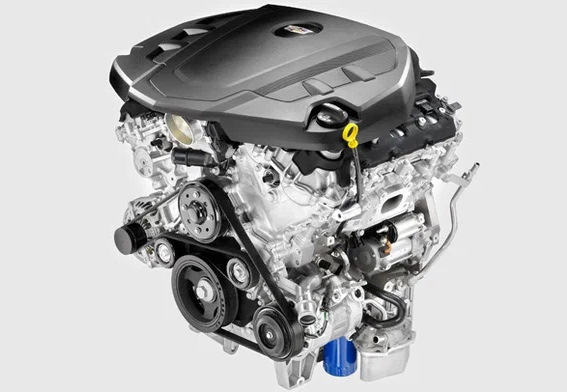
The Chevy Spark is equipped with a 1.4-liter four-cylinder engine that produces around 98 horsepower. While this engine is generally reliable, it is essential to consider the following:
- Fuel Efficiency: The Spark offers excellent fuel economy, averaging around 30 miles per gallon in the city and 38 on the highway. This efficiency can lead to lower overall costs, making it a practical choice for daily commutes.
- Common Issues: Some owners have reported issues with the engine, particularly in older models. Problems may include rough idling or decreased power, which can affect reliability.
Transmission and Drivability
The Chevy Spark comes with either a five-speed manual or a continuously variable transmission (CVT). Each option has its pros and cons:
- Manual Transmission: Generally more reliable, but requires more driver engagement.
- CVT: Offers smoother acceleration but has been known to have issues, particularly in earlier models.
Maintenance and Repair Costs
One of the most significant factors affecting the reliability of any vehicle is its maintenance and repair costs. The Chevy Spark is known for its relatively low maintenance expenses:
- Routine Maintenance: Regular oil changes, tire rotations, and brake inspections are essential to keep the Spark running smoothly.
- Parts Availability: Being a popular model, parts for the Spark are generally easy to find and affordable, which can reduce repair costs.
- Warranty: New Chevy Sparks come with a three-year/36,000-mile warranty, providing some peace of mind for buyers.
Owner Experiences and Reviews
Owner reviews can provide valuable insight into the reliability of the Chevy Spark. Here are some common themes from feedback:
- Positive Experiences: Many owners appreciate the Spark’s fuel efficiency, compact size, and affordability. They often report few issues, especially with newer models.
- Negative Experiences: Some owners of older models have reported issues with electrical systems and engine performance, which can detract from overall reliability.
Resale Value
Another important aspect of reliability is how well a vehicle holds its value over time. The Chevy Spark tends to depreciate faster than some competitors, which can be a consideration for buyers looking for long-term investment:
- Depreciation Rate: The Spark’s resale value may decline more rapidly due to its lower initial price point.
- Market Demand: While the Spark is popular among budget-conscious buyers, it may not have the same demand as larger or more feature-rich vehicles.
Conclusion
In summary, the reliability of the Chevy Spark is a mixed bag. While it offers excellent fuel efficiency and low maintenance costs, potential buyers should be aware of some common issues, particularly in older models. Understanding these factors can help car buyers make informed decisions about whether the Chevy Spark is the right vehicle for them.
Main Components Affecting the Reliability of Chevy Sparks
When evaluating the reliability of the Chevy Spark, several components and factors come into play. Understanding these elements can provide potential buyers with a clearer picture of what to expect from this subcompact vehicle. Below, we will explore the main components that contribute to the overall reliability of the Chevy Spark.
1. Engine Performance
The engine is the heart of any vehicle, and the Chevy Spark is no exception. Here are some key aspects related to its engine performance:
- Engine Specifications: The Spark is equipped with a 1.4-liter four-cylinder engine, which is designed for efficiency rather than power.
- Common Engine Issues: Some owners have reported problems such as oil leaks or engine misfires, particularly in older models.
- Fuel Efficiency: The engine’s design allows for impressive fuel economy, averaging around 30 mpg in the city and 38 mpg on the highway, which can contribute to lower long-term costs.
2. Transmission Options
The Chevy Spark offers two transmission options, each with its own reliability characteristics:
| Transmission Type | Reliability | Pros | Cons |
|---|---|---|---|
| Manual Transmission | Generally reliable | More driver control, lower repair costs | Requires more engagement, less convenient in traffic |
| Continuously Variable Transmission (CVT) | Mixed reliability | Smoother acceleration, better fuel efficiency | Potential for issues in older models, higher repair costs |
3. Build Quality and Materials
The materials and build quality of a vehicle can significantly impact its longevity and reliability. Here are some considerations for the Chevy Spark:
- Interior Materials: The Spark features budget-friendly materials that may not be as durable as those found in higher-end vehicles. This can lead to wear and tear over time.
- Exterior Durability: The body is designed to withstand typical wear, but some owners have reported issues with paint chipping and rust, especially in regions with harsh weather conditions.
4. Electrical Systems
Electrical issues can be a common source of frustration for car owners. Here’s how the Spark fares:
- Common Electrical Problems: Some owners have reported issues with the Spark’s electrical systems, including problems with the battery, alternator, and dashboard indicators.
- Infotainment System: The Spark comes with a basic infotainment system that may not be as reliable as those in more expensive vehicles, leading to occasional glitches.
5. Safety Features
While safety is not the primary focus of this article, it is worth noting how safety features can impact reliability:
- Standard Safety Features: The Spark includes basic safety features such as airbags and stability control, which are essential for overall reliability in terms of occupant safety.
- Crash Test Ratings: The Spark has received mixed ratings in crash tests, which can affect buyer confidence and perceived reliability.
6. Maintenance and Repair History
Regular maintenance is crucial for any vehicle’s reliability. Here are some factors to consider:
- Routine Maintenance: Following the manufacturer’s recommended maintenance schedule can help prevent many common issues.
- Owner Responsibility: How previous owners have maintained the vehicle can significantly impact its reliability. A well-maintained Spark is likely to be more reliable than one that has been neglected.
7. Owner Reviews and Feedback
Owner experiences can provide valuable insights into the reliability of the Chevy Spark:
- Positive Feedback: Many owners praise the Spark for its affordability and fuel efficiency, often reporting few issues with newer models.
- Negative Feedback: Some owners of older models have expressed concerns about engine performance and electrical issues, which can affect overall reliability.
8. Warranty and Support
The warranty offered by the manufacturer can also play a role in perceived reliability:
- Manufacturer Warranty: New Chevy Sparks come with a three-year/36,000-mile warranty, which can provide peace of mind for buyers.
- Extended Warranty Options: Buyers may also consider purchasing extended warranties to cover potential issues beyond the standard warranty period.
Common Problems, Risks, and Misconceptions About Chevy Spark Reliability
While the Chevy Spark is often praised for its affordability and fuel efficiency, it is not without its issues. Understanding the common problems, risks, and misconceptions surrounding the reliability of the Chevy Spark can help potential buyers make informed decisions. Below, we will explore these aspects in detail, supported by statistics and expert opinions.
1. Common Problems Reported by Owners
Several issues have been reported by Chevy Spark owners over the years. Here are some of the most frequently mentioned problems:
| Problem | Description | Frequency |
|---|---|---|
| Engine Misfires | Some owners report engine misfires, particularly in older models, which can lead to decreased performance. | Moderate |
| Electrical Issues | Problems with the battery, alternator, and dashboard lights have been noted, affecting overall reliability. | Common |
| Transmission Problems | Issues with the CVT have been reported, including slipping and rough shifting. | Moderate |
| Suspension Noise | Some drivers have experienced noise from the suspension system, particularly on rough roads. | Less Common |
2. Risks Associated with Chevy Spark Ownership
Owning a Chevy Spark comes with certain risks that potential buyers should consider:
- Depreciation: The Spark tends to depreciate faster than some competitors, which can affect resale value. According to Kelley Blue Book, subcompact cars like the Spark can lose up to 60% of their value within five years.
- Repair Costs: While maintenance costs are generally low, specific issues, particularly with the CVT, can lead to expensive repairs. RepairPal estimates the average annual repair cost for the Spark to be around $500.
- Safety Ratings: The Spark has received mixed safety ratings from organizations like the National Highway Traffic Safety Administration (NHTSA), which can be a concern for some buyers.
3. Misconceptions About Reliability
There are several misconceptions regarding the reliability of the Chevy Spark that can mislead potential buyers:
Misconception 1: All Chevy Sparks Are Unreliable
While some owners report issues, many others have positive experiences with their Sparks. According to J.D. Power, the Spark has received a reliability rating of 3.5 out of 5, which is considered average. This indicates that while there are problems, they are not universal.
Misconception 2: The Spark Is Only for City Driving
While the Spark excels in urban environments due to its compact size and fuel efficiency, it can also perform well on highways. Many owners report satisfactory experiences during long-distance travel, although it may not be as comfortable as larger vehicles.
Misconception 3: Maintenance Is Not Necessary
Some buyers may assume that because the Spark is affordable, it requires little to no maintenance. In reality, regular maintenance is crucial for ensuring reliability. Following the manufacturer’s maintenance schedule can help prevent many common issues.
4. Expert Opinions on Reliability
Experts have weighed in on the reliability of the Chevy Spark, providing valuable insights:
- Consumer Reports: They have noted that while the Spark is economical, it may not be the best choice for those seeking long-term reliability. They recommend considering models with a proven track record of durability.
- Automotive News: Industry experts have pointed out that the Spark’s low price point can be appealing, but buyers should be aware of potential long-term costs associated with repairs and maintenance.
5. Practical Situations and Owner Experiences
Real-world experiences can shed light on the reliability of the Chevy Spark:
- Daily Commuting: Many owners use the Spark for daily commutes and report that it performs well in city traffic, with few issues arising during routine driving.
- Long Road Trips: Some drivers have taken their Sparks on long road trips, reporting that the vehicle handles well, although it may lack the comfort features of larger cars.
- Resale Experiences: Owners looking to sell their Sparks often find that while the initial depreciation is steep, the vehicle still holds some value, especially if well-maintained.
Expert Opinion and Recommendations on Chevy Spark Reliability
When evaluating the reliability of the Chevy Spark, expert opinions tend to highlight both its strengths and weaknesses. The Spark is often recognized for its affordability and fuel efficiency, making it an attractive option for budget-conscious consumers. However, potential buyers should also be aware of its common issues and the overall ownership experience.
Expert Recommendations
Based on expert analyses and owner feedback, here are some recommendations for those considering the Chevy Spark:
- Consider Your Driving Needs: If you primarily drive in urban settings and require a compact vehicle, the Spark may be a suitable choice. However, if you frequently travel long distances or require more space, you might want to explore other options.
- Research Model Years: Some model years have reported more issues than others. Researching owner reviews and reliability ratings for specific years can help you make a more informed decision.
- Prioritize Maintenance: Regular maintenance is crucial for ensuring the longevity and reliability of the Spark. Following the recommended service schedule can help mitigate common issues.
- Consider Extended Warranties: If you are purchasing a used Spark, consider investing in an extended warranty to cover potential repairs, especially if the vehicle is out of the manufacturer’s warranty period.
- Test Drive and Inspect: Always take a test drive and have a trusted mechanic inspect any used vehicle before purchase. This can help identify any existing issues that may affect reliability.
Frequently Asked Questions (FAQ) About Chevy Spark Reliability
1. How reliable is the Chevy Spark compared to other subcompact cars?
The Chevy Spark has an average reliability rating compared to other subcompact cars. While it offers good fuel efficiency and low maintenance costs, some owners report common issues that can affect long-term reliability.
2. What are the most common problems reported by Chevy Spark owners?
Common problems include engine misfires, electrical issues, and transmission problems, particularly with the continuously variable transmission (CVT). Regular maintenance can help mitigate these issues.
3. Is the Chevy Spark a good choice for first-time car buyers?
Yes, the Chevy Spark is often recommended for first-time car buyers due to its affordability, fuel efficiency, and compact size, making it easy to maneuver in urban environments.
4. How does the Spark perform in terms of safety?
The Chevy Spark has received mixed safety ratings. While it includes standard safety features, potential buyers should review crash test ratings and consider their safety priorities when choosing this vehicle.
5. Are there any specific model years to avoid when purchasing a used Chevy Spark?
Some older model years may have more reported issues than newer ones. Researching owner reviews and reliability ratings for specific years can help identify which models to avoid.
6. What is the average maintenance cost for a Chevy Spark?
The average annual maintenance cost for a Chevy Spark is around $500, which is relatively low compared to many other vehicles. However, costs can vary based on driving habits and local repair rates.
7. Can I expect a good resale value for my Chevy Spark?
The Chevy Spark tends to depreciate faster than some competitors. While it may not hold its value as well, a well-maintained Spark can still offer reasonable resale value, especially if it is in good condition.