How Many Miles Does a Chevy S10 Last?
How Many Miles Does a Chevy S10 Last?
The Chevrolet S10, a compact pickup truck that has garnered a loyal following since its introduction in the early 1980s, raises an important question for potential buyers and current owners alike: how many miles can you expect this vehicle to last? Understanding the longevity of the Chevy S10 is crucial for several reasons, including resale value, maintenance costs, and overall reliability. In this article, we will explore the factors that influence the lifespan of a Chevy S10 and provide insights into what you can expect in terms of mileage.
Why Mileage Matters to Car Buyers
When considering a vehicle, mileage is one of the key factors that can influence a buyer’s decision. Here are some reasons why it matters:
- Resale Value: Vehicles with higher mileage typically have lower resale values. Knowing how many miles a Chevy S10 can last helps buyers gauge the potential depreciation of their investment.
- Maintenance Costs: Higher mileage often correlates with increased maintenance needs. Understanding the expected lifespan can help buyers budget for future repairs and maintenance.
- Reliability: A vehicle’s longevity is often a reflection of its reliability. Knowing how many miles a Chevy S10 can last can give buyers confidence in their purchase.
- Usage Needs: Buyers must consider their driving habits and needs. If someone plans to use the truck for heavy-duty work, understanding its mileage potential is essential.
Factors Influencing the Lifespan of a Chevy S10
The lifespan of a Chevy S10 can vary significantly based on several factors. Here are the most influential:
1. Maintenance and Care
Regular maintenance is crucial for any vehicle’s longevity. For the Chevy S10, this includes:
- Routine oil changes
- Regular inspections of brakes, tires, and suspension
- Timely replacement of worn-out parts
Owners who adhere to a strict maintenance schedule can expect their S10 to last longer than those who neglect regular upkeep.
2. Driving Conditions
The environment in which the Chevy S10 is driven plays a significant role in its lifespan. Factors include:
- Urban vs. Rural: Urban driving often involves more stop-and-go traffic, which can wear down components faster than highway driving.
- Weather Conditions: Harsh weather, such as extreme heat or cold, can affect engine performance and overall vehicle durability.
- Terrain: Off-road driving or driving in hilly areas can put additional stress on the vehicle.
3. Engine Type and Model Year
The Chevy S10 has undergone various changes over the years, with different engine options and designs. The model year can impact longevity:
- Older Models: Some older models may have simpler mechanics, making them easier to repair and maintain.
- Newer Models: Newer S10s may come equipped with advanced technology that can enhance performance but may also introduce new potential issues.
Expected Mileage for a Chevy S10
So, how many miles can you realistically expect a Chevy S10 to last? On average, many owners report that their S10s can reach:
- 150,000 to 200,000 miles: This is a common range for well-maintained S10s, especially those with regular servicing.
- Over 200,000 miles: Some owners have reported their S10s lasting beyond 200,000 miles, particularly if they have taken exceptional care of the vehicle.
It’s important to note that these figures can vary widely based on the factors mentioned earlier. For instance, a truck that has been used primarily for light-duty tasks and maintained regularly may outlast one that has been heavily used for towing or off-roading.
Real-World Experiences
To provide a more comprehensive understanding, let’s look at some real-world experiences from Chevy S10 owners:
- Owner A: A 2003 Chevy S10 with 180,000 miles, primarily used for commuting and light hauling. The owner reports minimal issues, mainly routine maintenance.
- Owner B: A 1999 model that has reached 250,000 miles, used for both work and personal use. The owner credits regular oil changes and careful driving for its longevity.
- Owner C: A 2005 S10 that has faced several mechanical issues after reaching 120,000 miles, primarily due to neglect in maintenance.
These experiences highlight the variability in the lifespan of the Chevy S10, emphasizing the importance of maintenance and driving habits.
Conclusion
Understanding how many miles a Chevy S10 can last is essential for both potential buyers and current owners. With proper care, many S10s can achieve impressive mileage, making them a reliable choice in the compact pickup truck market.
Main Components and Factors Affecting the Longevity of a Chevy S10
When considering how many miles a Chevy S10 can last, it’s essential to understand the various components and factors that contribute to its overall lifespan. This section will delve into the key elements that influence the durability and reliability of the S10, providing insights into what owners should focus on to maximize their vehicle’s longevity.
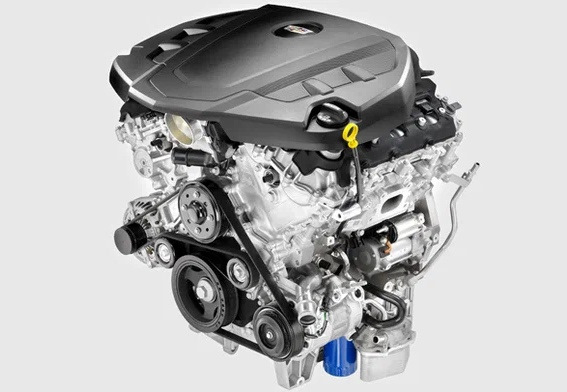
1. Engine Performance
The engine is the heart of any vehicle, and the Chevy S10 is no exception. The type and condition of the engine play a significant role in determining how many miles the truck can last.
Types of Engines
The Chevy S10 has been offered with several engine options over the years, including:
- 4-Cylinder Engines: Generally more fuel-efficient, but may struggle under heavy loads.
- V6 Engines: Provide more power and torque, making them better suited for towing and hauling.
Maintenance of Engine Components
Key components that need regular attention include:
- Oil changes
- Air filters
- Fuel injectors
2. Transmission System
The transmission is crucial for transferring power from the engine to the wheels. A well-maintained transmission can significantly extend the life of the S10.
Types of Transmissions
The Chevy S10 typically comes with either a manual or automatic transmission. Each has its own maintenance requirements:
- Manual Transmission: Generally requires less maintenance but can suffer from clutch wear.
- Automatic Transmission: Needs regular fluid changes and can be more complex to repair.
Common Issues
Some common transmission issues that can affect longevity include:
- Fluid leaks
- Overheating
- Slipping gears
3. Suspension and Steering
The suspension and steering systems are vital for handling and ride quality. They also impact the overall durability of the vehicle.
Key Components
Important parts of the suspension system include:
- Shock absorbers
- Struts
- Control arms
Impact on Longevity
A well-maintained suspension system can lead to:
- Better handling
- Reduced tire wear
- Improved ride comfort
4. Electrical System
The electrical system in the Chevy S10 controls various components, from the ignition system to lights and accessories. A reliable electrical system is crucial for overall vehicle performance.
Key Components
Some essential parts of the electrical system include:
- Batteries
- Alternators
- Wiring harnesses
Common Issues
Electrical problems can lead to:
- Starting issues
- Malfunctioning lights
- Inconsistent performance of accessories
5. Body and Frame Condition
The physical condition of the body and frame can significantly impact the longevity of the Chevy S10. Rust and corrosion can weaken structural integrity.
Common Areas to Inspect
Key areas to check for rust and damage include:
- Wheel wells
- Underbody
- Frame rails
Preventive Measures
To protect against rust, owners should consider:
- Regular washing, especially in winter months
- Applying rust-proofing treatments
- Inspecting for scratches and chips in the paint
6. Tires and Brakes
Tires and brakes are critical for safety and performance. Their condition can also affect the overall lifespan of the vehicle.
Tire Maintenance
Proper tire maintenance includes:
- Regular rotation
- Maintaining correct air pressure
- Checking tread depth
Brake System Components
Key components of the brake system include:
- Brake pads
- Rotors
- Brake fluid
7. Driving Habits
The way a driver operates the Chevy S10 can greatly influence its lifespan. Good driving habits can lead to a longer-lasting vehicle.
Positive Driving Habits
Some habits that can extend the life of the S10 include:
- Avoiding rapid acceleration and hard braking
- Driving at moderate speeds
- Being mindful of load limits
Negative Driving Habits
Conversely, poor driving habits can lead to:
- Increased wear on the engine and transmission
- Premature brake wear
- Higher likelihood of accidents
8. Environmental Factors
The environment in which the Chevy S10 operates can also affect its lifespan. Factors such as climate and road conditions play a role.
Climate Considerations
Extreme weather conditions can impact vehicle performance:
- Cold Weather: Can lead to battery issues and thicker fluids, making the engine work harder.
- Hot Weather: Can cause overheating and increased wear on engine components.
Road Conditions
Potholes, gravel roads, and off-road conditions can lead to:
- Increased wear on tires and suspension
- Potential damage to the undercarriage
- More frequent maintenance needs
Summary Table of Factors Affecting Chevy S10 Longevity
| Factor | Description |
|---|---|
| Engine Performance | Type and condition of the engine, including maintenance practices. |
| Transmission System | Type of transmission and its maintenance, including common issues. |
| Suspension and Steering | Condition of suspension components and their impact on handling. |
| Electrical System | Reliability of electrical components and common electrical issues. |
| Body and Frame Condition | Physical condition, including rust and preventive measures. |
| Tires and Brakes | Condition of tires and brakes, including maintenance practices. |
| Driving Habits | Impact of driver behavior on vehicle longevity. |
| Environmental Factors | Effects of climate and road conditions on vehicle performance. |
Common Problems, Risks, and Misconceptions About Chevy S10 Longevity
As with any vehicle, the Chevy S10 has its share of common problems, risks, and misconceptions regarding its longevity. Understanding these issues can help potential buyers and current owners make informed decisions about maintenance and care. This section will explore these aspects, backed by statistics, expert opinions, and practical situations.
1. Common Problems Affecting Longevity
While the Chevy S10 is known for its durability, certain problems can arise that may impact its lifespan. Here are some of the most frequently reported issues:
Engine Problems
Engine-related issues are among the most critical concerns for S10 owners. Common problems include:
- Oil Leaks: Many S10s, especially older models, are prone to oil leaks, which can lead to engine damage if not addressed.
- Overheating: Cooling system failures can cause the engine to overheat, leading to severe damage.
Transmission Issues
Transmission problems can also affect the longevity of the S10:
- Slipping Gears: This can occur due to worn-out components or low transmission fluid levels.
- Fluid Leaks: Similar to engine oil, transmission fluid leaks can lead to significant issues if not repaired promptly.
Suspension Wear
The suspension system can wear out over time, leading to:
- Uneven Tire Wear: This can result from worn-out shocks or struts, affecting handling and safety.
- Rough Ride Quality: A compromised suspension can lead to a less comfortable driving experience.
2. Risks Associated with High Mileage
As the mileage on a Chevy S10 increases, several risks can arise that may affect its reliability:
Increased Maintenance Needs
Higher mileage often correlates with more frequent maintenance requirements. Owners should be prepared for:
- Regular replacement of wear-and-tear items such as brake pads and tires.
- Potential for major repairs, including engine or transmission overhauls.
Safety Concerns
Older vehicles may not meet modern safety standards, leading to potential risks:
- Worn brakes can increase stopping distances.
- Older suspension components may compromise handling and stability.
3. Misconceptions About Chevy S10 Longevity
Several misconceptions surround the Chevy S10’s lifespan that can mislead potential buyers:
Myth: All S10s Last Over 200,000 Miles
While many S10s can reach this milestone, it is not guaranteed. Factors such as:
- Maintenance history
- Driving conditions
- Model year and engine type
play a significant role in determining actual longevity.
Myth: High Mileage Equals High Maintenance Costs
While high-mileage vehicles may require more maintenance, this does not always mean exorbitant costs. Many owners report:
- Affordable repairs for common issues if they are addressed promptly.
- Availability of aftermarket parts, which can reduce repair costs.
Myth: Older Models Are More Reliable
Some believe that older S10 models are inherently more reliable due to simpler mechanics. However:
- Older models may lack modern technology that enhances reliability.
- They may have more wear and tear due to age, leading to potential issues.
4. Expert Opinions and Statistics
Expert opinions can provide valuable insights into the longevity of the Chevy S10. Here are some notable points:
Expert Insights
Mechanics and automotive experts often emphasize the importance of:
- Regular Maintenance: Adhering to a strict maintenance schedule can significantly extend the life of the S10.
- Driving Habits: Gentle driving can reduce wear and tear, contributing to a longer lifespan.
Statistics on Longevity
According to various automotive surveys and owner reports:
- Approximately 30% of Chevy S10 owners report reaching over 200,000 miles with proper maintenance.
- About 60% of owners indicate that regular servicing has helped them avoid major repairs.
Summary Table of Common Problems and Misconceptions
| Issue Type | Description |
|---|---|
| Engine Problems | Common issues include oil leaks and overheating, affecting engine longevity. |
| Transmission Issues | Slipping gears and fluid leaks can lead to significant transmission problems. |
| Suspension Wear | Worn suspension components can lead to uneven tire wear and a rough ride. |
| Increased Maintenance Needs | Higher mileage correlates with more frequent maintenance and potential major repairs. |
| Safety Concerns | Older vehicles may not meet modern safety standards, increasing risks. |
| Myth: All S10s Last Over 200,000 Miles | While many do, it depends on maintenance, driving conditions, and model year. |
| Myth: High Mileage Equals High Maintenance Costs | High mileage can lead to more maintenance, but costs can be manageable. |
| Myth: Older Models Are More Reliable | Older models may have more wear and tear, affecting reliability. |
Expert Opinion and Recommendations on Chevy S10 Longevity
When it comes to understanding how many miles a Chevy S10 can last, expert opinions and recommendations can provide valuable insights for potential buyers and current owners. The longevity of the S10 is influenced by various factors, including maintenance, driving habits, and environmental conditions. Here are some expert recommendations to help maximize the lifespan of your Chevy S10.
1. Prioritize Regular Maintenance
Experts unanimously agree that regular maintenance is crucial for extending the life of any vehicle, including the Chevy S10. Here are some key maintenance practices:
- Oil Changes: Change the oil every 3,000 to 5,000 miles to keep the engine running smoothly.
- Fluid Checks: Regularly check and replace fluids, including transmission fluid, brake fluid, and coolant.
- Brake Inspections: Have brakes inspected at least once a year to ensure safety and performance.
2. Monitor Driving Habits
Driving habits significantly impact the longevity of the S10. Experts recommend:
- Avoiding Aggressive Driving: Rapid acceleration and hard braking can lead to increased wear on the engine and brakes.
- Mindful Towing: Ensure that you do not exceed the vehicle’s towing capacity to avoid straining the engine and transmission.
- Regularly Check Tire Pressure: Proper tire pressure can improve fuel efficiency and extend tire life.
3. Address Issues Promptly
Experts emphasize the importance of addressing any mechanical issues as soon as they arise. Delaying repairs can lead to:
- More significant damage and higher repair costs.
- Decreased safety and reliability of the vehicle.
4. Choose the Right Model Year
When considering a used Chevy S10, experts recommend researching the model year. Some years have better reliability ratings than others. Look for:
- Owner reviews and reliability ratings from trusted automotive sources.
- Common issues reported for specific model years to avoid potential pitfalls.
5. Consider Environmental Factors
Environmental conditions can affect vehicle longevity. Experts suggest:
- Protecting Against Rust: Regularly wash the undercarriage, especially in regions with heavy salt use during winter.
- Avoiding Off-Roading: Unless necessary, avoid driving on rough terrain to reduce wear on suspension components.
Frequently Asked Questions (FAQ) About Chevy S10 Longevity
1. How many miles can a Chevy S10 typically last?
On average, a well-maintained Chevy S10 can last between 150,000 to 200,000 miles. Some owners report exceeding 200,000 miles with proper care.
2. What factors influence how long a Chevy S10 will last?
Key factors include regular maintenance, driving habits, engine type, and environmental conditions. Each of these can significantly impact the vehicle’s lifespan.
3. Are there specific model years of the Chevy S10 that are more reliable?
Yes, certain model years have better reliability ratings. Researching owner reviews and expert ratings can help identify the most dependable years.
4. What are common issues that can shorten the lifespan of a Chevy S10?
Common issues include engine oil leaks, transmission problems, and suspension wear. Addressing these issues promptly can help extend the vehicle’s life.
5. How often should I perform maintenance on my Chevy S10?
Regular maintenance should be performed every 3,000 to 5,000 miles for oil changes, with other checks (like brakes and fluids) at least once a year.
6. Can driving habits affect the longevity of my Chevy S10?
Yes, aggressive driving can lead to increased wear on the engine, brakes, and tires. Gentle driving habits can help prolong the life of the vehicle.
7. Is it worth buying a high-mileage Chevy S10?
Buying a high-mileage Chevy S10 can be worthwhile if it has been well-maintained. Ensure to have a thorough inspection done before purchasing to assess its condition.