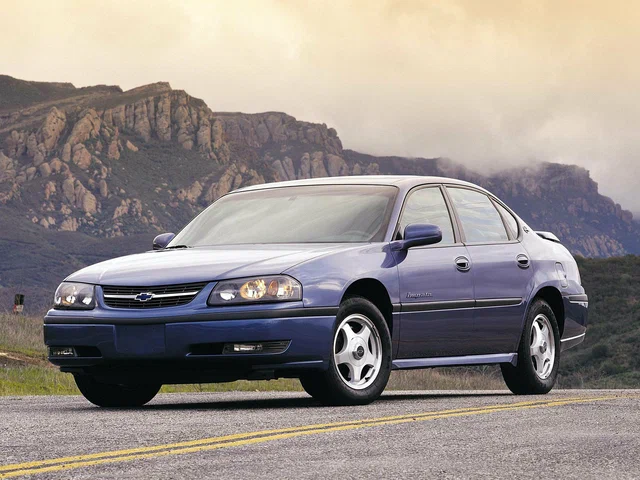
How Many Miles Does a Chevy Impala Last?
How Many Miles Does a Chevy Impala Last?
The Chevy Impala has been a staple in the American automotive landscape for decades, known for its spacious interior, comfortable ride, and reliability. However, one of the most pressing questions for potential buyers and current owners alike is: how many miles can a Chevy Impala last? Understanding the longevity of this vehicle is crucial for making informed decisions about purchasing, maintaining, or selling it. This article delves into the expected lifespan of a Chevy Impala and why it matters to car buyers and owners.
The Importance of Mileage in Vehicle Longevity
When considering a vehicle, mileage is a key factor that influences its value, reliability, and overall cost of ownership. Here are some reasons why mileage matters:
- Resale Value: Vehicles with higher mileage typically have lower resale values. Knowing how long a Chevy Impala can last helps owners gauge its future worth.
- Maintenance Costs: As a vehicle ages and accumulates miles, maintenance needs increase. Understanding the expected lifespan can help owners budget for repairs and upkeep.
- Reliability: A car that lasts longer is often seen as more reliable. Buyers want to know if they can count on their vehicle for years to come.
- Safety: Older vehicles may lack modern safety features. Knowing how long a Chevy Impala can last helps buyers decide if they should invest in a newer model.
Factors Influencing the Lifespan of a Chevy Impala
The lifespan of a Chevy Impala can vary significantly based on several factors:
1. Maintenance and Care
Regular maintenance is crucial for extending the life of any vehicle, including the Chevy Impala. Key maintenance tasks include:
- Oil changes
- Tire rotations
- Brake inspections
- Fluid checks and replacements
Owners who adhere to a strict maintenance schedule can expect their Impala to last longer than those who neglect these essential services.
2. Driving Conditions
The environment in which a Chevy Impala is driven also plays a significant role in its longevity. Factors include:
- Urban vs. Rural: City driving often involves more stop-and-go traffic, which can lead to increased wear and tear.
- Climate: Extreme temperatures can affect engine performance and longevity. Cold weather can lead to battery issues, while hot weather can strain the cooling system.
3. Driving Habits
The way a driver operates the vehicle can impact its lifespan. Aggressive driving, such as rapid acceleration and hard braking, can lead to premature wear on the engine and brakes.
Average Lifespan of a Chevy Impala
On average, a well-maintained Chevy Impala can last between 150,000 to 200,000 miles. However, some owners report their vehicles exceeding 250,000 miles with proper care. Here’s a breakdown of what to expect:
- 150,000 miles: This is the minimum expected lifespan for many Chevy Impalas, assuming regular maintenance.
- 200,000 miles: Many owners find their Impalas can reach this milestone with diligent care and moderate driving conditions.
- 250,000 miles or more: While less common, some Impalas have been known to exceed this mileage, especially if they have been meticulously maintained.
Real-World Examples and Testimonials
Many Chevy Impala owners share their experiences online, providing valuable insights into the vehicle’s longevity. Here are a few notable examples:
- Owner A: “I have a 2010 Impala with 220,000 miles on it. I’ve only had to replace the alternator and a few tires. It runs like a champ!”
- Owner B: “My 2007 Impala hit 180,000 miles before I sold it. It was still in great shape, and I had no major issues.”
- Owner C: “I bought my 2015 Impala used, and it already had 100,000 miles. I’ve put another 50,000 on it with minimal maintenance.”
Conclusion
Understanding how many miles a Chevy Impala can last is essential for anyone considering this vehicle. With proper maintenance, driving habits, and care, owners can expect their Impalas to provide reliable service for many years, making it a solid investment in the long run.
Main Components and Factors Influencing the Longevity of a Chevy Impala
Understanding the factors that contribute to the lifespan of a Chevy Impala is essential for both prospective buyers and current owners. Several key components and external influences can significantly affect how many miles an Impala can last. Below, we explore these factors in detail.
1. Engine Performance
The engine is the heart of any vehicle, and the Chevy Impala is no exception. The performance and maintenance of the engine play a crucial role in determining how long the car will last.
Engine Type
The Chevy Impala has been equipped with various engine options over the years, including:
- V6 Engines: Typically provide a good balance of power and fuel efficiency.
- V8 Engines: Offer more power but may require more maintenance and fuel.
Maintenance Practices
Regular oil changes, coolant flushes, and timely repairs can help extend engine life. Neglecting these practices can lead to engine failure, significantly reducing the vehicle’s lifespan.
2. Transmission Health
The transmission is another critical component that affects the longevity of the Chevy Impala. A well-functioning transmission ensures smooth gear shifts and optimal engine performance.
Types of Transmissions
The Impala has been offered with both automatic and manual transmissions, each with its own maintenance needs:
- Automatic Transmission: Requires regular fluid changes to prevent overheating and wear.
- Manual Transmission: Generally more durable but still requires proper clutch maintenance.
Signs of Transmission Issues
Being aware of transmission problems can help owners address issues before they lead to complete failure. Common signs include:
- Slipping gears
- Delayed shifting
- Unusual noises
3. Suspension and Steering Systems

The suspension and steering systems are vital for maintaining ride quality and handling. Their condition can significantly impact the overall driving experience and longevity of the vehicle.
Suspension Components
Key components of the suspension system include:
- Shocks and Struts: Absorb road bumps and provide stability.
- Control Arms: Connect the suspension to the vehicle frame.
Steering System Maintenance
Regular checks on the steering system can prevent issues that may lead to more significant problems down the line. Important aspects to monitor include:
- Power steering fluid levels
- Steering rack condition
4. Tires and Brakes
Tires and brakes are essential for safety and performance. Their condition can also affect the longevity of the Chevy Impala.
Tire Maintenance
Proper tire maintenance includes:
- Regular rotations
- Maintaining correct air pressure
- Replacing worn tires
Brake System Health
The brake system should be regularly inspected to ensure safety and performance. Key components include:
- Brake pads
- Rotors
- Brake fluid
5. Driving Habits
The way a driver operates the Chevy Impala can significantly influence its lifespan. Good driving habits can lead to a longer-lasting vehicle.
Gentle Driving
Practices that contribute to longevity include:
- Avoiding rapid acceleration and hard braking
- Driving at moderate speeds
- Using cruise control on highways
Long-Distance vs. Short-Distance Driving
Long-distance driving is generally better for the engine compared to short trips, which can lead to increased wear. Here’s a comparison:
| Driving Type | Impact on Longevity |
|---|---|
| Long-Distance Driving | Allows the engine to reach optimal operating temperature, reducing wear. |
| Short-Distance Driving | Frequent cold starts can lead to increased engine wear and lower fuel efficiency. |
6. Environmental Factors
The environment in which the Chevy Impala is driven can also affect its lifespan. Key factors include:
Climate Conditions
Extreme weather can impact vehicle performance:
- Cold Weather: Can lead to battery issues and increased engine wear.
- Hot Weather: Can strain the cooling system and lead to overheating.
Road Conditions
Potholes, gravel roads, and uneven surfaces can cause damage to the suspension and tires. Regularly driving on rough terrain can shorten the lifespan of the vehicle.
7. Quality of Parts and Repairs
The quality of replacement parts and repairs can significantly influence the longevity of a Chevy Impala. Using OEM (Original Equipment Manufacturer) parts is generally recommended for maintaining performance and reliability.
Aftermarket vs. OEM Parts
Here’s a comparison of the two:
| Type of Parts | Pros | Cons |
|---|---|---|
| OEM Parts | Designed specifically for the vehicle, ensuring compatibility. | Typically more expensive. |
| Aftermarket Parts | Often cheaper and more readily available. | Quality can vary; may not fit as well as OEM parts. |
Choosing the right parts and ensuring quality repairs can help extend the life of the Chevy Impala.
Common Problems, Risks, and Misconceptions About Chevy Impala Longevity
While the Chevy Impala is known for its reliability and longevity, there are several common problems, risks, and misconceptions that can affect how many miles it can last. Understanding these issues is crucial for both current owners and potential buyers. This section will explore these factors in detail, supported by statistics and expert opinions.
1. Misconception: All Impalas Last 200,000 Miles
One prevalent misconception is that all Chevy Impalas can easily reach 200,000 miles without significant issues. While many Impalas can achieve this mileage, it is not a guarantee.
Statistics on Longevity
According to various automotive surveys and owner reports:
- Approximately 30% of Chevy Impala owners report reaching 200,000 miles.
- About 15% of owners have experienced major repairs before hitting the 150,000-mile mark.
These statistics indicate that while many Impalas can last long, not all will do so without encountering problems.
2. Common Problems Affecting Longevity
Several issues can arise in a Chevy Impala that may shorten its lifespan. Here are some of the most common problems:
Engine Issues
Engine problems can significantly impact the longevity of the vehicle. Common issues include:
- Oil Leaks: Common in older models, oil leaks can lead to engine damage if not addressed promptly.
- Overheating: A failing cooling system can cause the engine to overheat, leading to severe damage.
Transmission Failures
Transmission issues are another major concern for Impala owners:
- Slipping Gears: This can indicate a need for transmission fluid changes or more serious repairs.
- Delayed Shifting: Often a sign of low fluid levels or internal problems.
Electrical Problems
Electrical issues can also arise, particularly in older models:
- Battery Drain: Frequent battery issues can indicate underlying electrical faults.
- Sensor Failures: Malfunctioning sensors can lead to poor performance and increased fuel consumption.
3. Risks of Neglecting Maintenance

Neglecting regular maintenance can lead to a host of problems that impact the lifespan of the Chevy Impala. Here are some risks associated with poor maintenance:
Increased Repair Costs
Failing to perform regular maintenance can lead to more significant issues down the line, resulting in higher repair costs. For example:
| Maintenance Type | Cost of Neglect |
|---|---|
| Oil Changes | $30-$100 per change; neglect can lead to engine failure costing thousands. |
| Tire Rotations | $20-$50 per rotation; neglect can lead to uneven wear and premature tire replacement. |
Safety Risks
Neglecting maintenance can also pose safety risks:
- Brake Failures: Worn brake pads can lead to longer stopping distances and increased accident risk.
- Tire Blowouts: Failing to monitor tire condition can result in blowouts, especially at high speeds.
4. Expert Opinions on Longevity
Experts in the automotive field often provide insights into the longevity of the Chevy Impala. Here are some common themes:
Regular Maintenance is Key
Many automotive experts emphasize the importance of regular maintenance:
- “A well-maintained Impala can easily exceed 200,000 miles, but neglect will lead to problems.” – Automotive Mechanic
- “Investing in quality parts and timely repairs can significantly extend the life of your vehicle.” – Auto Industry Analyst
Driving Habits Matter
Experts also point out that driving habits can greatly influence vehicle longevity:
- “Gentle driving can reduce wear and tear, while aggressive driving can lead to premature failure.” – Driving Instructor
- “Long-distance driving is generally better for the engine than frequent short trips.” – Automotive Engineer
5. Risks of Buying a High-Mileage Impala
Purchasing a high-mileage Chevy Impala can be tempting due to lower prices, but it comes with risks:
Potential for Hidden Problems
High-mileage vehicles may have hidden issues that are not immediately apparent. Common risks include:
- Undisclosed Repairs: Previous owners may have performed subpar repairs.
- Wear and Tear: Components like the transmission and suspension may be nearing failure.
Insurance and Financing Considerations
High-mileage vehicles may also come with higher insurance premiums and financing challenges:
- Insurance companies may charge higher rates for older vehicles.
- Financing options may be limited for vehicles with high mileage.
6. Conclusion
Understanding the common problems, risks, and misconceptions surrounding the longevity of a Chevy Impala is essential for making informed decisions. By being aware of these factors, owners can take proactive steps to ensure their vehicle lasts as long as possible.
Expert Opinions and Recommendations on Chevy Impala Longevity
When it comes to the longevity of the Chevy Impala, expert opinions often emphasize the importance of maintenance, driving habits, and awareness of common issues. Here are some clear recommendations based on expert insights:
1. Prioritize Regular Maintenance
Experts agree that regular maintenance is crucial for extending the life of any vehicle, including the Chevy Impala. Here are some key maintenance practices to follow:
- Oil Changes: Change the oil every 5,000 to 7,500 miles to keep the engine running smoothly.
- Tire Care: Rotate tires every 5,000 to 7,500 miles and check pressure regularly.
- Brake Inspections: Have brakes checked at least once a year to ensure safety and performance.
2. Adopt Good Driving Habits
Driving habits can significantly impact the longevity of the Impala. Here are some recommendations:
- Avoid Aggressive Driving: Smooth acceleration and braking can reduce wear on the engine and brakes.
- Limit Short Trips: Frequent short trips can lead to increased engine wear. Try to combine errands into one trip when possible.
- Observe Speed Limits: Driving at moderate speeds can help maintain engine health and fuel efficiency.
3. Be Cautious When Buying Used
For those considering purchasing a used Chevy Impala, experts recommend the following:
- Inspect Thoroughly: Have a trusted mechanic inspect the vehicle for hidden issues.
- Check Maintenance Records: Look for a history of regular maintenance and repairs.
- Test Drive: Pay attention to how the vehicle handles and listen for unusual noises during the test drive.
4. Stay Informed About Common Issues
Being aware of common problems that can affect the Chevy Impala can help owners take proactive measures:
- Monitor Engine Performance: Keep an eye out for warning lights and unusual sounds.
- Address Issues Promptly: Don’t ignore small problems; they can escalate into larger, more expensive repairs.
Frequently Asked Questions (FAQ) About Chevy Impala Longevity
1. How many miles can a Chevy Impala last on average?
On average, a well-maintained Chevy Impala can last between 150,000 to 200,000 miles, with some owners reporting over 250,000 miles.
2. What factors influence how long a Chevy Impala will last?
Factors include regular maintenance, driving habits, environmental conditions, and the quality of parts used in repairs.
3. Are there specific models of the Chevy Impala known for better longevity?
While individual experiences may vary, models from the mid-2000s to early 2010s are often noted for their reliability and longevity.
4. How can I extend the life of my Chevy Impala?
Regular maintenance, adopting good driving habits, and addressing issues promptly can help extend the life of your Chevy Impala.
5. What are common problems that can affect the lifespan of a Chevy Impala?
Common issues include engine problems, transmission failures, and electrical issues, which can all impact longevity if not addressed.
6. Is it worth buying a high-mileage Chevy Impala?
Buying a high-mileage Impala can be worthwhile if it has a solid maintenance history and has been well cared for, but be cautious of potential hidden issues.
7. How often should I perform maintenance on my Chevy Impala?
Regular maintenance should be performed according to the manufacturer’s recommendations, typically every 5,000 to 7,500 miles for oil changes and other services.