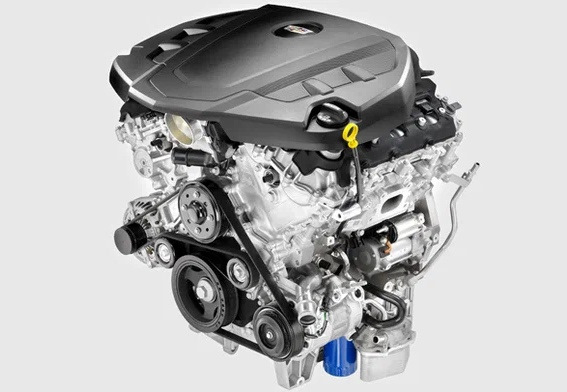
How Many Miles Does a Chevy Cobalt Last?
How Many Miles Does a Chevy Cobalt Last?
The Chevy Cobalt, a compact car produced by General Motors from 2005 to 2010, has garnered attention for its affordability and practicality. However, one of the most critical questions for potential buyers and current owners alike is: how many miles can a Chevy Cobalt last? Understanding the longevity of this vehicle is essential for making informed decisions about purchasing, maintaining, or selling it.
Importance of Longevity in a Vehicle
When considering a vehicle, mileage longevity plays a significant role in determining its value and reliability. Here are a few reasons why it matters:
- Cost-Effectiveness: A vehicle that lasts longer typically offers better value for money. If a Chevy Cobalt can last well over 100,000 miles, it may be a more economical choice compared to other vehicles that require frequent repairs or replacements.
- Maintenance Costs: Understanding the expected lifespan can help owners budget for maintenance and repairs. A car that lasts longer may incur fewer costs over time.
- Resale Value: Cars with higher mileage longevity tend to retain their value better. If you plan to sell or trade in your Cobalt in the future, knowing its expected lifespan can influence your decision.
- Environmental Impact: Vehicles that last longer contribute to reduced waste and resource consumption. A longer-lasting car means fewer vehicles need to be manufactured, which can have a positive environmental impact.
Factors Influencing the Lifespan of a Chevy Cobalt
The lifespan of a Chevy Cobalt can vary significantly based on several factors. Understanding these can help owners maximize their vehicle’s longevity.
1. Maintenance and Care
Regular maintenance is crucial for any vehicle’s lifespan. Here are some key maintenance practices:
- Oil Changes: Regular oil changes are vital for engine health. Following the manufacturer’s recommended schedule can prevent engine wear.
- Tire Care: Proper tire inflation and rotation can enhance fuel efficiency and prolong tire life.
- Brake Inspections: Regularly checking and replacing brake pads can prevent damage to other components.
- Fluid Checks: Keeping an eye on coolant, transmission fluid, and brake fluid levels can prevent major issues.
2. Driving Habits
How a vehicle is driven can significantly impact its lifespan. Consider the following:
- Aggressive Driving: Rapid acceleration and hard braking can lead to premature wear and tear.
- Short Trips: Frequent short trips can prevent the engine from reaching optimal operating temperature, leading to increased wear.
- Load Capacity: Overloading the vehicle can strain the engine and suspension, reducing longevity.
3. Environmental Factors
The environment in which the vehicle is driven also plays a role:
- Climate: Extreme temperatures can affect battery life and engine performance.
- Road Conditions: Driving on rough, unpaved roads can lead to increased wear on suspension and tires.
- Salt Exposure: In regions where roads are salted during winter, corrosion can affect the vehicle’s body and undercarriage.
Average Lifespan of a Chevy Cobalt
On average, a well-maintained Chevy Cobalt can last between 150,000 to 200,000 miles. However, this range can vary based on the factors mentioned above. Here’s a breakdown of what you can expect:
- 150,000 Miles: Many Cobalt owners report reaching this milestone with regular maintenance and care.
- 200,000 Miles: With exceptional care, some Cobalt models have been known to exceed this mileage, especially if they have been driven gently and maintained meticulously.
Real-World Experiences
Real-world experiences from Chevy Cobalt owners provide valuable insights into the vehicle’s longevity. Many owners have shared their stories on forums and review sites:
- Positive Experiences: Numerous owners report their Cobalts lasting well beyond 150,000 miles with proper maintenance.
- Common Issues: Some owners have experienced issues with the ignition switch and electrical components, which can affect overall longevity.
In summary, the Chevy Cobalt can last a considerable amount of time and mileage if properly maintained. Understanding the factors that influence its lifespan is crucial for current and prospective owners.
Main Components Affecting the Longevity of a Chevy Cobalt
Understanding how many miles a Chevy Cobalt can last involves examining various components and factors that contribute to its overall lifespan. Below, we will explore these components in detail, providing insights into how they impact the vehicle’s durability and reliability.
1. Engine Performance
The engine is the heart of any vehicle, and the Chevy Cobalt is no exception. The performance and condition of the engine are critical in determining how many miles the car can last.
Types of Engines
- 2.2L Ecotec I4: This engine is known for its reliability but can experience oil consumption issues over time.
- 2.4L Ecotec I4: Offers more power but may have more complex components that could lead to higher repair costs.
Maintenance Tips
- Regular oil changes are essential to prevent engine wear.
- Monitoring coolant levels and ensuring the cooling system is functioning properly can prevent overheating.
2. Transmission Health
The transmission plays a vital role in the vehicle’s performance and longevity. The Chevy Cobalt offers both manual and automatic transmission options, each with its own set of considerations.
Common Transmission Issues
- Automatic Transmission: Known to have issues with slipping and rough shifting, particularly in older models.
- Manual Transmission: Generally more reliable but requires regular clutch maintenance.
Maintenance Recommendations
- Regular fluid changes can help maintain transmission health.
- Pay attention to any unusual noises or shifting patterns, as these can indicate problems.
3. Suspension and Steering Components
The suspension system and steering components are crucial for vehicle handling and comfort. Their condition can significantly impact the driving experience and overall longevity of the Cobalt.
Key Components
- Shock Absorbers: Worn shocks can lead to a rough ride and affect handling.
- Ball Joints and Tie Rods: These components are essential for steering and should be inspected regularly.
Maintenance Practices
- Regular alignment checks can help prevent uneven tire wear.
- Inspecting suspension components for wear and replacing them as needed can enhance ride quality.
4. Electrical System
The electrical system in the Chevy Cobalt includes various components that can affect its longevity. Issues in this area can lead to significant reliability concerns.
Common Electrical Problems
- Battery Life: A failing battery can lead to starting issues and electrical malfunctions.
- Wiring Issues: Corroded or damaged wiring can cause various electrical problems, including issues with lights and sensors.
Maintenance Tips
- Regularly check the battery condition and replace it every 3-5 years.
- Inspect wiring for signs of wear or corrosion, especially in older models.
5. Body and Frame Condition
The physical condition of the Chevy Cobalt’s body and frame can also impact its longevity. Rust and structural damage can lead to significant issues over time.
Common Concerns
- Rust: Particularly in regions with harsh winters, rust can compromise the integrity of the vehicle.
- Accident Damage: Previous accidents can lead to hidden structural issues that may affect longevity.
Maintenance Strategies
- Regularly wash and wax the vehicle to protect against rust.
- Inspect the body for signs of damage and address any issues promptly.
6. Tire Quality and Maintenance
Tires are the only contact point between the vehicle and the road, making their condition vital for safety and longevity.
Key Considerations
- Tread Depth: Worn tires can affect handling and fuel efficiency.
- Tire Pressure: Maintaining proper tire pressure is essential for optimal performance and longevity.
Maintenance Recommendations
- Regularly check tire pressure and adjust as needed.
- Rotate tires every 5,000 to 7,500 miles to ensure even wear.
7. Fuel System
The fuel system, including the fuel pump, injectors, and filters, plays a critical role in the overall performance and longevity of the Chevy Cobalt.
Common Issues
- Fuel Pump Failures: A failing fuel pump can lead to poor performance and starting issues.
- Clogged Fuel Injectors: Dirty injectors can affect fuel efficiency and engine performance.
Maintenance Practices
- Regularly replace the fuel filter to ensure clean fuel flow.
- Consider using fuel system cleaners periodically to maintain injector cleanliness.
| Component | Impact on Longevity | Maintenance Tips |
|---|---|---|
| Engine Performance | Critical for overall vehicle health; regular oil changes can prevent wear. | Monitor oil levels and change oil regularly. |
| Transmission Health | Directly affects driving experience; issues can lead to costly repairs. | Change transmission fluid regularly and watch for shifting problems. |
| Suspension and Steering | Affects handling and ride comfort; worn parts can lead to safety issues. | Inspect and replace worn components; check alignment regularly. |
| Electrical System | Essential for starting and operation; issues can lead to breakdowns. | Check battery condition and inspect wiring for damage. |
| Body and Frame | Rust and damage can compromise safety and longevity. | Wash and wax regularly; inspect for rust and damage. |
| Tire Quality | Directly impacts safety and handling; worn tires can lead to accidents. | Check pressure and tread depth; rotate tires regularly. |
| Fuel System | Affects engine performance and efficiency; issues can lead to poor fuel economy. | Replace fuel filter regularly and use fuel system cleaners. |
Common Problems, Risks, and Misconceptions About Chevy Cobalt Longevity
While the Chevy Cobalt has a reputation for being a reliable compact car, there are several common problems, risks, and misconceptions that potential buyers and current owners should be aware of. Understanding these issues can help in making informed decisions regarding maintenance and expectations for longevity.
1. Misconception: All Cobalts Last Over 200,000 Miles
One of the most prevalent misconceptions is that all Chevy Cobalts can easily exceed 200,000 miles without significant issues. While many owners report high mileage, this is not universally true.
Statistics on Longevity
- According to various owner surveys, approximately 30% of Cobalt owners have reported reaching 200,000 miles.
- However, many vehicles fall short of this milestone, with average lifespans ranging from 150,000 to 180,000 miles.
Expert Opinions
Automotive experts emphasize that while some Cobalts can last beyond 200,000 miles, this largely depends on maintenance, driving habits, and environmental factors. A well-maintained vehicle is more likely to reach higher mileage.
2. Common Problems Affecting Longevity
Several issues can significantly impact the lifespan of a Chevy Cobalt. Being aware of these problems can help owners take preventive measures.
Ignition Switch Issues
- Many Cobalt owners have reported problems with the ignition switch, which can lead to stalling and difficulty starting the vehicle.
- This issue was significant enough to prompt recalls, and it can affect overall reliability.
Engine Oil Consumption
- Some Cobalt models, particularly those with the 2.2L engine, have been known to consume oil at a higher rate than normal.
- This can lead to engine damage if not monitored, as low oil levels can cause severe wear.
Transmission Problems
- Automatic transmission issues, such as slipping and rough shifting, have been reported by numerous owners.
- These problems can lead to costly repairs and may shorten the vehicle’s lifespan.
3. Risks of Neglecting Maintenance
Neglecting regular maintenance can significantly reduce the lifespan of a Chevy Cobalt. Here are some common risks associated with poor maintenance:
Increased Repair Costs
- Ignoring routine maintenance can lead to more severe issues that require expensive repairs.
- For example, failing to change the timing belt can result in engine failure, costing thousands to repair.
Safety Risks
- Worn brakes, tires, and suspension components can compromise safety, increasing the risk of accidents.
- Regular inspections can help identify these issues before they become critical.
4. Practical Situations and Owner Experiences
Real-world experiences from Chevy Cobalt owners provide valuable insights into the vehicle’s longevity and common issues.
Owner Testimonials
- Many owners report that their Cobalts have lasted well over 150,000 miles with regular maintenance, while others have experienced significant issues before reaching 100,000 miles.
- Some owners suggest that driving habits, such as aggressive driving or frequent short trips, can lead to premature wear.
Common Maintenance Practices
- Owners who adhere to a strict maintenance schedule, including oil changes every 3,000 to 5,000 miles, often report better longevity.
- Regularly checking and replacing worn components, such as brake pads and tires, can also enhance the lifespan of the vehicle.
| Common Problem | Impact on Longevity | Typical Owner Experience |
|---|---|---|
| Ignition Switch Issues | Can lead to stalling and starting problems, affecting reliability. | Owners report frequent stalls, especially in older models. |
| Engine Oil Consumption | Higher oil consumption can lead to engine damage if not monitored. | Many owners have to add oil regularly between changes. |
| Transmission Problems | Slipping and rough shifting can lead to costly repairs. | Owners often report issues after 100,000 miles, requiring transmission service. |
| Neglected Maintenance | Can lead to increased repair costs and safety risks. | Owners who skip maintenance often face more significant issues down the line. |
5. Risks of Buying a Used Cobalt
For those considering purchasing a used Chevy Cobalt, there are specific risks to be aware of:
Hidden Problems
- Used vehicles may have hidden issues that are not immediately apparent during a test drive.
- It’s advisable to have a trusted mechanic inspect the vehicle before purchase.
Previous Maintenance History
- Understanding the vehicle’s maintenance history is crucial. A car with a poor maintenance record may have a shorter lifespan.
- Requesting service records can provide insight into how well the vehicle has been cared for.
6. Expert Recommendations
Experts recommend several strategies for maximizing the longevity of a Chevy Cobalt:
Regular Inspections
- Conducting regular inspections can help identify potential issues before they escalate.
- Pay attention to warning lights and unusual sounds while driving.
Adhering to Manufacturer Guidelines
- Following the manufacturer’s recommended maintenance schedule is essential for ensuring longevity.
- Utilizing quality parts and fluids can also contribute to better performance and lifespan.
| Risk | Potential Consequence | Mitigation Strategy |
|---|---|---|
| Hidden Problems in Used Cobalts | Unexpected repairs and costs. | Have a mechanic inspect before purchase. |
| Poor Maintenance History | Reduced longevity and reliability. | Request service records and maintenance history. |
| Neglecting Regular Inspections | Increased risk of breakdowns and safety issues. | Schedule regular inspections and stay alert to vehicle performance. |
Expert Opinions and Recommendations on Chevy Cobalt Longevity
When considering the longevity of a Chevy Cobalt, expert opinions emphasize the importance of maintenance, driving habits, and awareness of common issues. While many Cobalt models can last a significant number of miles, the actual lifespan varies widely based on individual circumstances.
Expert Recommendations
1. Prioritize Regular Maintenance
Experts agree that adhering to a regular maintenance schedule is crucial for maximizing the lifespan of a Chevy Cobalt. This includes:
- Changing the oil and filters regularly to keep the engine running smoothly.
- Inspecting and replacing worn parts, such as brakes and tires, to ensure safety and performance.
- Monitoring fluid levels and addressing any leaks promptly.
2. Be Mindful of Driving Habits
Your driving style can significantly impact the longevity of your vehicle. Recommendations include:
- Avoiding aggressive driving, which can lead to increased wear on the engine and transmission.
- Limiting short trips that prevent the engine from reaching optimal operating temperature.
- Being cautious with load capacity to avoid straining the vehicle.
3. Stay Informed About Common Issues
Understanding common problems associated with the Chevy Cobalt can help owners take preventive measures. Key points include:
- Being aware of ignition switch issues and monitoring for signs of trouble.
- Regularly checking oil levels, especially if your model is known for higher oil consumption.
- Paying attention to transmission performance and addressing any irregularities immediately.
4. Consider Professional Inspections
For both current owners and potential buyers, professional inspections can provide valuable insights:
- Having a trusted mechanic evaluate the vehicle can help identify hidden issues.
- Requesting a pre-purchase inspection can prevent future headaches when buying a used Cobalt.
Frequently Asked Questions (FAQ) About Chevy Cobalt Longevity
1. How many miles can a Chevy Cobalt typically last?
A well-maintained Chevy Cobalt can last between 150,000 to 200,000 miles, depending on various factors such as maintenance and driving habits.
2. What are the most common issues that affect the Chevy Cobalt’s lifespan?
Common issues include ignition switch problems, engine oil consumption, and transmission issues, all of which can impact reliability and longevity.
3. How often should I perform maintenance on my Chevy Cobalt?
Regular maintenance should be performed according to the manufacturer’s recommendations, typically every 3,000 to 5,000 miles for oil changes and other routine checks.
4. Can driving habits affect how long my Chevy Cobalt lasts?
Yes, aggressive driving, frequent short trips, and overloading the vehicle can lead to increased wear and tear, potentially shortening its lifespan.
5. Is it worth buying a used Chevy Cobalt?
Buying a used Chevy Cobalt can be worthwhile if the vehicle has been well-maintained and has a clean history. A thorough inspection is recommended before purchase.
6. What should I look for when buying a used Chevy Cobalt?
Look for a comprehensive maintenance history, signs of rust or damage, and have a mechanic inspect the vehicle for any hidden issues.
7. How can I improve the lifespan of my Chevy Cobalt?
To improve lifespan, prioritize regular maintenance, adopt good driving habits, and stay informed about common issues that may arise with the vehicle.