How Long Will a 2014 Chevy Cruze Last?
How Long Will a 2014 Chevy Cruze Last?
When considering the purchase of a used vehicle, one of the most critical questions potential buyers ask is, “How long will this car last?” This inquiry is especially pertinent for the 2014 Chevy Cruze, a compact sedan that has garnered attention for its affordability and fuel efficiency. Understanding the longevity of the Chevy Cruze can significantly influence a buyer’s decision, as it impacts not only the initial investment but also long-term ownership costs and reliability.
Why Longevity Matters to Car Buyers
Longevity is a crucial factor for car buyers for several reasons:
- Cost-Effectiveness: A vehicle that lasts longer can provide better value for money. Buyers want to ensure that they are not only paying for the car but also for the years of service it can provide.
- Reliability: A car that is known to last can offer peace of mind. Buyers often prefer vehicles with a reputation for reliability, as this reduces the likelihood of unexpected repairs.
- Resale Value: Cars that have a longer lifespan tend to retain their value better. This is particularly important for those who may want to sell or trade in their vehicle in the future.
- Environmental Impact: A longer-lasting vehicle can also be more environmentally friendly. It reduces the frequency of manufacturing new cars, which can be resource-intensive.
Factors Influencing the Lifespan of a 2014 Chevy Cruze
The lifespan of a 2014 Chevy Cruze can vary based on several factors, including maintenance, driving habits, and environmental conditions. Here are some key considerations:
1. Maintenance
Regular maintenance is vital for extending the life of any vehicle, including the Chevy Cruze. Here are some maintenance tips:
- Oil Changes: Regular oil changes are essential. The Cruze typically requires oil changes every 5,000 to 7,500 miles, depending on driving conditions.
- Fluid Checks: Regularly checking and replacing fluids (coolant, brake fluid, transmission fluid) can prevent major issues down the line.
- Tire Maintenance: Keeping tires properly inflated and rotated can improve fuel efficiency and extend tire life.
- Brake Inspections: Regular brake inspections and timely replacements can ensure safety and prevent further damage.
2. Driving Habits
How a driver operates the vehicle can significantly impact its longevity. Consider the following:
- Driving Style: Aggressive driving, such as rapid acceleration and hard braking, can wear out components faster.
- Short Trips: Frequent short trips can prevent the engine from reaching optimal operating temperature, leading to increased wear.
- Load and Towing: Regularly overloading the vehicle or towing heavy loads can strain the engine and transmission.
3. Environmental Conditions
The environment in which the vehicle is driven can also affect its lifespan:
- Climate: Extreme temperatures can impact battery life and other components. For instance, cold weather can affect the battery’s performance, while hot weather can lead to overheating.
- Road Conditions: Driving on rough or unpaved roads can lead to increased wear and tear on suspension and tires.
- Salt and Corrosion: In regions where roads are salted in winter, corrosion can be a significant issue. Regular washing can help mitigate this.
Expected Lifespan of a 2014 Chevy Cruze
On average, a well-maintained 2014 Chevy Cruze can last between 150,000 to 200,000 miles. However, several factors can influence this range:
- Engine Type: The Cruze comes with different engine options, including a 1.8L four-cylinder and a 1.4L turbocharged engine. Generally, turbocharged engines may require more maintenance but can also provide better performance.
- Model Variants: Different trims and configurations may have varying durability based on their features and components.
- Owner History: A vehicle with a documented maintenance history and fewer previous owners is likely to last longer.
Real-World Experiences
Owner reviews and experiences can provide valuable insights into the longevity of the 2014 Chevy Cruze. Many owners report reaching over 150,000 miles with minimal issues, while others have experienced significant repairs around the 100,000-mile mark. Common issues reported include:
- Transmission Problems: Some owners have reported issues with the automatic transmission, particularly in earlier models.
- Electrical Issues: Problems with electrical components, such as the battery and alternator, have been noted.
- Engine Performance: A few owners have experienced issues with engine performance, particularly with the turbocharged variant.
Ultimately, the longevity of a 2014 Chevy Cruze will depend on a combination of factors, including maintenance, driving habits, and environmental conditions. By understanding these elements, potential buyers can make informed decisions about their investment in a used vehicle.
Main Components and Factors Affecting the Longevity of a 2014 Chevy Cruze
Understanding the various components and factors that influence the lifespan of a 2014 Chevy Cruze is essential for current and prospective owners. By being aware of these elements, you can take proactive steps to ensure your vehicle lasts as long as possible. Below, we delve into the main components and factors that play a crucial role in determining how long a Chevy Cruze can last.
1. Engine Performance
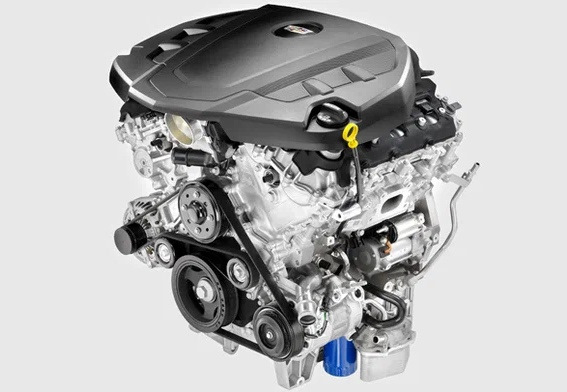
The engine is the heart of any vehicle, and the 2014 Chevy Cruze offers a couple of engine options that can impact longevity:
| Engine Type | Details | Longevity Factors |
|---|---|---|
| 1.8L Inline-4 | A naturally aspirated engine known for reliability. | Less complex, generally lower maintenance costs. |
| 1.4L Turbocharged Inline-4 | Offers better performance and fuel efficiency. | May require more frequent maintenance due to turbo components. |
Maintenance Tips for Engine Longevity
- Regular Oil Changes: Change the oil every 5,000 to 7,500 miles to keep the engine lubricated.
- Coolant Levels: Check and maintain coolant levels to prevent overheating.
- Timing Belt Replacement: Follow the manufacturer’s recommendations for timing belt replacement to avoid engine damage.
2. Transmission Health
The transmission is another critical component that can affect the overall lifespan of the Chevy Cruze. The 2014 model offers both manual and automatic transmission options.
Transmission Types
- Automatic Transmission: Known for convenience but may experience issues if not properly maintained.
- Manual Transmission: Generally more durable but requires skilled handling to avoid wear.
Transmission Maintenance Tips
- Fluid Changes: Regularly change transmission fluid to prevent overheating and wear.
- Driving Habits: Avoid aggressive driving, which can strain the transmission.
3. Suspension and Steering
The suspension and steering systems are vital for ride quality and handling. Over time, these components can wear out and affect vehicle longevity.
Key Components
- Shock Absorbers: Help maintain ride comfort and stability.
- Struts: Support the vehicle’s weight and absorb road shocks.
- Steering Rack: Affects steering precision and responsiveness.
Maintenance Tips for Suspension and Steering
- Regular Inspections: Check for signs of wear or leaks in the suspension system.
- Tire Alignment: Ensure proper alignment to reduce uneven tire wear and improve handling.
4. Electrical System
The electrical system in the 2014 Chevy Cruze is essential for various functions, including starting the engine, powering accessories, and ensuring safety features work correctly.
Key Components
- Battery: Powers the vehicle and needs regular checks for corrosion and charge levels.
- Alternator: Charges the battery and powers electrical systems while the engine runs.
- Fuses and Wiring: Protect electrical components and ensure proper functioning.
Maintenance Tips for the Electrical System
- Battery Maintenance: Clean terminals and check for corrosion regularly.
- Electrical Inspections: Have the electrical system checked during routine maintenance to catch issues early.
5. Body and Chassis
The body and chassis of the Chevy Cruze play a significant role in its longevity, especially in terms of rust and structural integrity.
Key Considerations
- Rust Prevention: Regular washing, especially in winter months, can help prevent rust formation.
- Paint Condition: Keeping the paint in good condition can protect against corrosion.
- Frame Integrity: Inspect for any signs of damage or bending that could affect safety and performance.
Maintenance Tips for Body and Chassis
- Regular Washing: Wash the car frequently, especially after exposure to salt or harsh chemicals.
- Waxing: Apply wax to protect the paint and finish.
6. Driving Conditions
The environment in which the vehicle is driven can significantly impact its lifespan. Factors such as climate, road conditions, and driving frequency can all play a role.
Driving Conditions to Consider
- Urban vs. Rural: Urban driving often involves more stop-and-go traffic, which can wear components faster.
- Weather Conditions: Extreme temperatures can affect battery life and engine performance.
- Road Quality: Poor road conditions can lead to increased wear on suspension and tires.
Tips for Mitigating Environmental Impact
- Driving Style: Adopt smooth driving habits to reduce wear and tear.
- Regular Maintenance: Stay on top of maintenance to counteract the effects of harsh conditions.
By understanding these components and factors, Chevy Cruze owners can take informed steps to maximize the lifespan of their vehicle. Regular maintenance, mindful driving habits, and awareness of environmental impacts can all contribute to a longer-lasting car.
Common Problems, Risks, and Misconceptions About the Longevity of a 2014 Chevy Cruze
While the 2014 Chevy Cruze is generally regarded as a reliable vehicle, it is not without its share of common problems and misconceptions regarding its longevity. Understanding these issues can help current and prospective owners make informed decisions and set realistic expectations about the vehicle’s lifespan. Below, we explore some of the most prevalent problems, risks, and misconceptions associated with the 2014 Chevy Cruze.
1. Common Problems
Several issues have been reported by owners of the 2014 Chevy Cruze that can affect its longevity. Here are some of the most common problems:
| Problem | Description | Potential Impact on Longevity |
|---|---|---|
| Transmission Issues | Some owners report problems with the automatic transmission, including slipping and rough shifting. | Can lead to costly repairs and may shorten the vehicle’s lifespan if not addressed. |
| Electrical Problems | Issues with the battery, alternator, and wiring have been noted, affecting starting and electrical system performance. | Can lead to unexpected breakdowns and may require expensive repairs. |
| Engine Performance | Some owners experience reduced engine performance, including stalling and poor acceleration. | Can indicate underlying issues that may affect engine longevity if not resolved. |
| Cooling System Failures | Failures in the cooling system, including water pump issues, can lead to overheating. | Overheating can cause severe engine damage, significantly reducing lifespan. |
Expert Opinions on Common Problems
Many automotive experts recommend regular maintenance and prompt attention to any warning signs. According to a survey by Consumer Reports, vehicles that receive timely maintenance can last significantly longer than those that do not. For the Chevy Cruze, this means staying on top of oil changes, transmission fluid checks, and addressing any warning lights immediately.
2. Risks of Ignoring Maintenance
Neglecting regular maintenance can lead to a range of problems that may shorten the lifespan of the Chevy Cruze. Here are some risks associated with ignoring maintenance:
- Increased Repair Costs: Small issues can escalate into major problems if not addressed promptly, leading to higher repair costs.
- Decreased Resale Value: A poorly maintained vehicle is likely to have a lower resale value, impacting financial returns when selling or trading in.
- Safety Risks: Ignoring maintenance can lead to safety issues, such as brake failures or tire blowouts, which can endanger the driver and passengers.
Statistics on Maintenance Impact
According to a study by the Automotive Aftermarket Industry Association (AAIA), vehicles that receive regular maintenance can last up to 50% longer than those that do not. This statistic underscores the importance of adhering to a maintenance schedule for the 2014 Chevy Cruze.
3. Misconceptions About Longevity
Several misconceptions exist regarding how long a 2014 Chevy Cruze can last. Addressing these misconceptions can help owners set realistic expectations:
| Misconception | Reality |
|---|---|
| All Cruze Models Are Equally Reliable | Reliability can vary by engine type and trim level. The turbocharged models may require more maintenance. |
| High Mileage Equals Imminent Failure | Many well-maintained vehicles can exceed 200,000 miles without significant issues. |
| Once Problems Arise, It’s Too Late | Many issues can be resolved if caught early, and regular maintenance can prevent problems from developing. |
Practical Situations
Consider the following scenarios that illustrate these misconceptions:
- Scenario 1: An owner believes their Cruze is reliable and neglects regular oil changes. As a result, the engine suffers from sludge buildup, leading to costly repairs.
- Scenario 2: A driver assumes that because their Cruze has high mileage, it is bound to fail soon. However, with proper maintenance, the vehicle continues to run smoothly for years.
- Scenario 3: An owner notices a warning light but dismisses it as a minor issue. Ignoring this warning leads to a significant breakdown that could have been avoided.
4. Expert Recommendations
Experts recommend that owners of the 2014 Chevy Cruze take proactive steps to ensure longevity:
- Follow the Maintenance Schedule: Adhere to the manufacturer’s recommended maintenance schedule for oil changes, fluid checks, and inspections.
- Address Issues Promptly: If any warning lights or unusual noises occur, have the vehicle inspected immediately to prevent further damage.
- Keep Records: Maintain detailed records of all maintenance and repairs, which can help in resale and provide insights into the vehicle’s history.
By understanding common problems, risks, and misconceptions, owners can take informed actions to maximize the lifespan of their 2014 Chevy Cruze. Regular maintenance and prompt attention to issues can significantly enhance the vehicle’s longevity and reliability.
Expert Opinion and Recommendations on the Longevity of a 2014 Chevy Cruze
When considering the longevity of a 2014 Chevy Cruze, expert opinions generally emphasize the importance of regular maintenance and proactive care. While the Cruze is known for its reliability, certain factors can significantly influence how long it lasts. Here are some clear recommendations based on expert insights:
1. Prioritize Regular Maintenance
Staying on top of routine maintenance is essential for maximizing the lifespan of your Chevy Cruze. This includes:
- Oil Changes: Change the oil regularly to keep the engine running smoothly.
- Fluid Checks: Regularly check and replace fluids, including coolant and transmission fluid.
- Tire Maintenance: Keep tires properly inflated and rotated to ensure even wear.
2. Address Issues Promptly
Ignoring warning signs can lead to more significant problems down the line. Experts recommend:
- Immediate Inspection: If a warning light appears or you notice unusual noises, have the vehicle inspected as soon as possible.
- Documenting Problems: Keep a record of any issues and repairs to track patterns that may indicate underlying problems.
3. Drive Mindfully
Your driving habits can significantly impact the longevity of your vehicle. Consider the following tips:
- Avoid Aggressive Driving: Smooth acceleration and braking can reduce wear on the engine and transmission.
- Limit Short Trips: Frequent short trips can prevent the engine from reaching optimal operating temperature, leading to increased wear.
4. Keep the Vehicle Clean
Maintaining the exterior and interior of your Chevy Cruze can help prevent rust and other issues:
- Regular Washing: Wash the car frequently to remove dirt, salt, and other contaminants that can cause corrosion.
- Waxing: Apply wax to protect the paint and finish, which can help maintain the vehicle’s appearance and value.
Frequently Asked Questions (FAQ) About the Longevity of a 2014 Chevy Cruze
1. How many miles can a 2014 Chevy Cruze last?
A well-maintained 2014 Chevy Cruze can typically last between 150,000 to 200,000 miles, depending on various factors such as maintenance and driving habits.
2. What are the common issues that affect the lifespan of a 2014 Chevy Cruze?
Common issues include transmission problems, electrical system failures, and engine performance issues. Regular maintenance can help mitigate these problems.
3. Is it worth buying a used 2014 Chevy Cruze?
Yes, if the vehicle has a good maintenance history and has been well cared for, it can be a reliable and economical choice for a used car.
4. How can I improve the lifespan of my 2014 Chevy Cruze?
Improving lifespan involves regular maintenance, addressing issues promptly, mindful driving, and keeping the vehicle clean and protected from environmental factors.
5. What maintenance should I prioritize for my 2014 Chevy Cruze?
Prioritize oil changes, fluid checks, tire maintenance, and regular inspections to ensure the vehicle remains in good condition.
6. Are there any specific driving habits that can shorten the lifespan of my Cruze?
Aggressive driving, frequent short trips, and overloading the vehicle can all contribute to increased wear and tear, potentially shortening its lifespan.
7. How does climate affect the longevity of a 2014 Chevy Cruze?
Extreme temperatures can impact battery life and engine performance. Additionally, driving in areas with harsh winters can lead to rust and corrosion if the vehicle is not properly maintained.